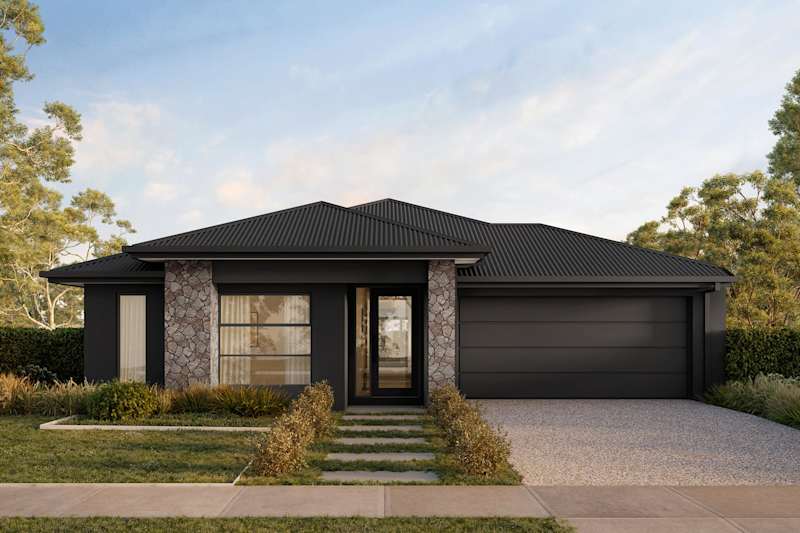
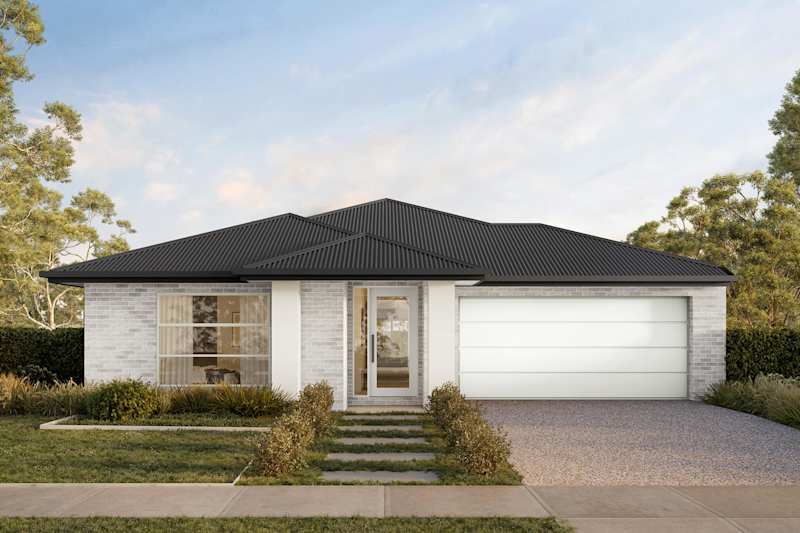
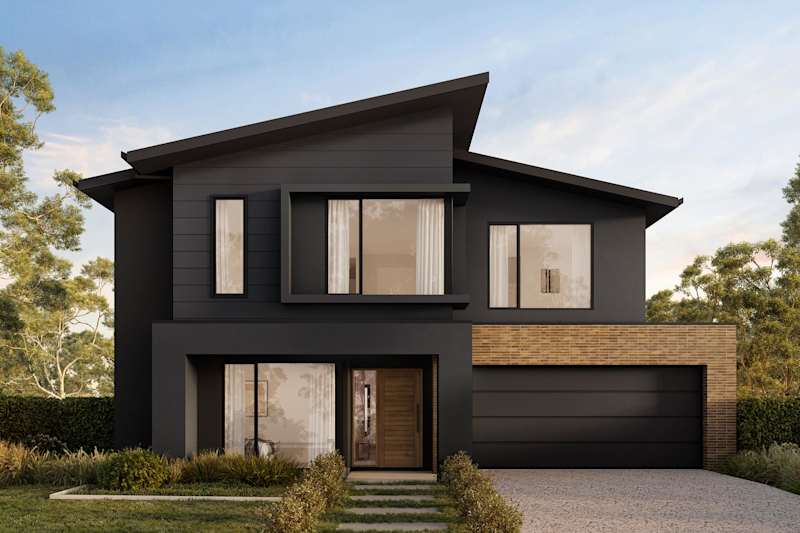
When building or buying a new home in Australia, the term '7-star energy rating' is one you'll come across early and often. It's the minimum standard for new homes in Victoria and much of Australia, set under the National Construction Code and applied through the NatHERS rating scheme.
But what does that number actually mean in practice? How does it affect the way a home is designed and built? And what does it mean for the people living in it — in terms of comfort, energy bills, and long-term liveability? Understanding the 7-star energy rating is more than a compliance exercise. It is the foundation of a home that performs well for decades.
This guide explains what the rating means, what is required to achieve it, what it delivers for homeowners, and what to look for when choosing a builder who can deliver it well.
What Is a 7-Star Energy Rating?
The 7-star energy rating is a measure of a home's thermal performance — specifically, how well the building's fabric (its walls, roof, floor, windows, and insulation) manages heat flow between the interior and the outside environment. It is calculated using the Nationwide House Energy Rating Scheme, known as NatHERS, which models a home's design against local climate data to predict how much energy it will need to maintain comfortable indoor temperatures across the year.
The NatHERS scale runs from 0 to 10 stars. At 7 stars, a home's thermal envelope is performing at a high level — significantly reducing the energy needed for heating and cooling compared to homes built to older, lower standards. The higher the star rating, the less a home relies on mechanical systems to stay comfortable, and the lower the ongoing energy costs for its occupants.
Moving up the star scale means a home needs less energy for heating and cooling — a meaningful reduction that translates directly into lower bills and a more comfortable home year-round.
NatHERS Star Ratings at a Glance
The table below shows how the 7-star standard sits within the broader NatHERS rating scale — and what each level means for a home's thermal performance:
Star Rating | Performance Level | What It Means | Status in Australia |
5 Stars | Adequate | Basic thermal comfort | Below current minimum |
6 Stars | Good | Improved insulation and glazing performance | Common in older builds |
7 Stars | High | Significantly reduced heating/cooling load | Current minimum |
8 Stars | Very High | Passive design principles well-applied | Above minimum |
9–10 Stars | Excellent | Very low heating and cooling demand | High-performance homes |
7-Star Energy Rating Requirements: What Does It Take?
Meeting the 7-star energy rating requirements in a new home is not a single specification or product decision — it is the cumulative result of design and construction choices that work together to manage heat flow through the building envelope. The key elements that influence the NatHERS rating include:
- Insulation — Higher R-values (thermal resistance) in ceiling, wall, and floor insulation are one of the most direct contributors to a strong energy rating. The right levels for ceiling, wall and floor insulation depend on the design and climate zone
- Glazing — Windows are one of the primary paths for heat gain and loss in a home. Double-glazed windows, low-emissivity (low-e) coatings, and thermally broken frames all contribute to a stronger rating by reducing heat transfer through glass
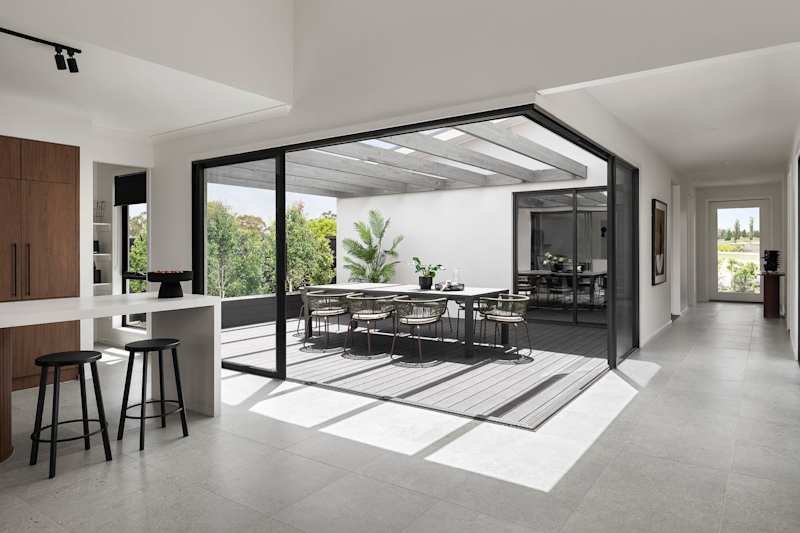
- Orientation and shading — A home positioned to maximise north-facing glazing for winter sun access, with adequate eave depth or external shading devices to block the higher summer sun, significantly reduces the heating and cooling load before any mechanical system is switched on
- Airtightness — Reducing uncontrolled air infiltration through gaps in the building envelope prevents conditioned air from escaping and unconditioned air from entering — a meaningful contributor to thermal performance, particularly in cooler climates
- Thermal mass — Materials such as concrete slabs, brick, and tile absorb and slowly release heat, moderating internal temperature swings and reducing peak heating and cooling demand
It is worth noting that the 7-star rating applies specifically to the thermal performance of the building's envelope — its shell. Appliances, hot water systems, and on-site energy generation (such as solar panels) are assessed separately under whole-of-home energy requirements that sit alongside the NatHERS thermal rating.
What a 7-Star Energy Rating Home Means for Everyday Life
For homeowners, the practical significance of a 7-star energy rating home is felt in three ways: comfort, cost, and long-term value.
Year-Round Comfort
A 7-star energy rating house maintains a more stable indoor temperature across the seasons — warmer in winter without excessive heating, cooler in summer without the air conditioning running constantly. This is not simply about energy efficiency; it is about how the home feels to live in. Fewer cold spots in winter, less reliance on fans and coolers in summer, and a general sense that the home works with the climate rather than against it.
Families with young children, elderly members, or anyone with health sensitivities to temperature fluctuations will notice the difference immediately. A well-insulated, well-oriented home is simply a more comfortable place to be — at any time of day, across all seasons.
Lower Energy Bills
The reduction in heating and cooling demand that comes with a higher-rated home directly reduces energy consumption — and energy costs. In a country where residential electricity prices have risen significantly over the past decade, building to a higher thermal standard is a long-term financial decision as much as a comfort one.
Homes built to the 7-star minimum, particularly when combined with solar panels and efficient hot water systems, can reduce annual energy costs substantially compared to older stock. For homebuyers thinking about lifetime cost of ownership rather than just the build price, this matters.
Future-Proofing and Resale Value
A 7-star energy rating home is built to the current minimum standard — meaning it starts its life at the minimum expected performance level for a new Australian home today. As energy costs continue to rise and buyer expectations around sustainability increase, homes that perform well thermally are likely to become increasingly attractive to buyers at resale. Building at or above the minimum now is a sensible form of future-proofing.
Choosing a 7-Star Energy Rating Home Builder
Not all builders approach the 7-star energy rating minimum in the same way. Some treat it as a compliance threshold to be met with the minimum possible specification changes. Others treat it as a design opportunity — using orientation, insulation, glazing, and passive design strategies to build homes that comfortably exceed the minimum and deliver genuinely superior performance.
When evaluating a 7-star energy rating home builder, it is worth asking the following:
- How does the standard home design achieve its NatHERS rating — through orientation and passive design, or primarily through specification upgrades?
- What insulation R-values are used as standard in ceiling, wall, and underfloor construction?
- Is double glazing standard across all windows, or only on certain elevations?
- Can the home design be optimised for the specific block's orientation to improve the rating further?
- What whole-of-home energy provisions are included or available — solar, energy-efficient hot water, LED lighting throughout?
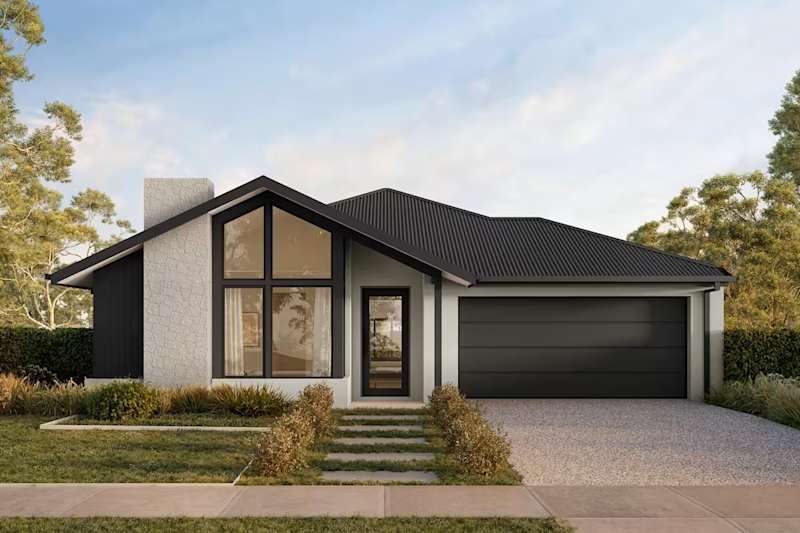
A builder who can answer these questions clearly and confidently — and who demonstrates a genuine understanding of how design, construction, and energy performance interact — is one who is delivering 7-star homes in the truest sense, not just on paper. Explore our house designs to see how energy-efficient design principles are incorporated across our contemporary home range.
A Home That Works for You — All Year Round
The 7-star energy rating is the floor, not the ceiling. It represents Australia's commitment to building a residential housing stock that is more comfortable, more efficient, and more sustainable — and for homebuyers, it is the baseline from which smarter, more considered new homes are now built.
Whether planning a first home or upgrading to a larger family home, understanding how energy performance is built into the design and specification of a new home is one of the most valuable things a buyer can do. Visit an Arden Homes display village to experience what a well-designed, energy-efficient new home looks and feels like — and to ask the questions that matter about how the home performs behind the walls.