Are you nearing the end of your home construction journey? The excitement of moving into your dream home is almost within reach. But there's one crucial step that stands between you and your keys: the practical completion inspection. This final checkpoint could save you thousands of dollars in future repairs and ensure your new home meets the quality standards you deserve.
According to the Housing Industry Association, approximately 98% of new homes in Australia require some form of rectification work after the initial inspection. These stats highlight just how critical this process is for homeowners. Understanding what to expect during your practical completion inspection and how to prepare properly can make the difference between a smooth handover and months of follow-up issues.
This guide will help you understand the PCI process. It covers everything from preparation to completion. You will be ready to protect your investment and secure your dream home.
What is a Practical Completion Inspection (PCI)?
A practical completion inspection is the formal assessment conducted when your new home construction reaches its final stages. This inspection usually happens after your builder claims they have completed the work. It takes place before you officially take ownership of the property.
Consider it your last chance to find any problems or unfinished work. Your builder must fix these issues at no extra cost.
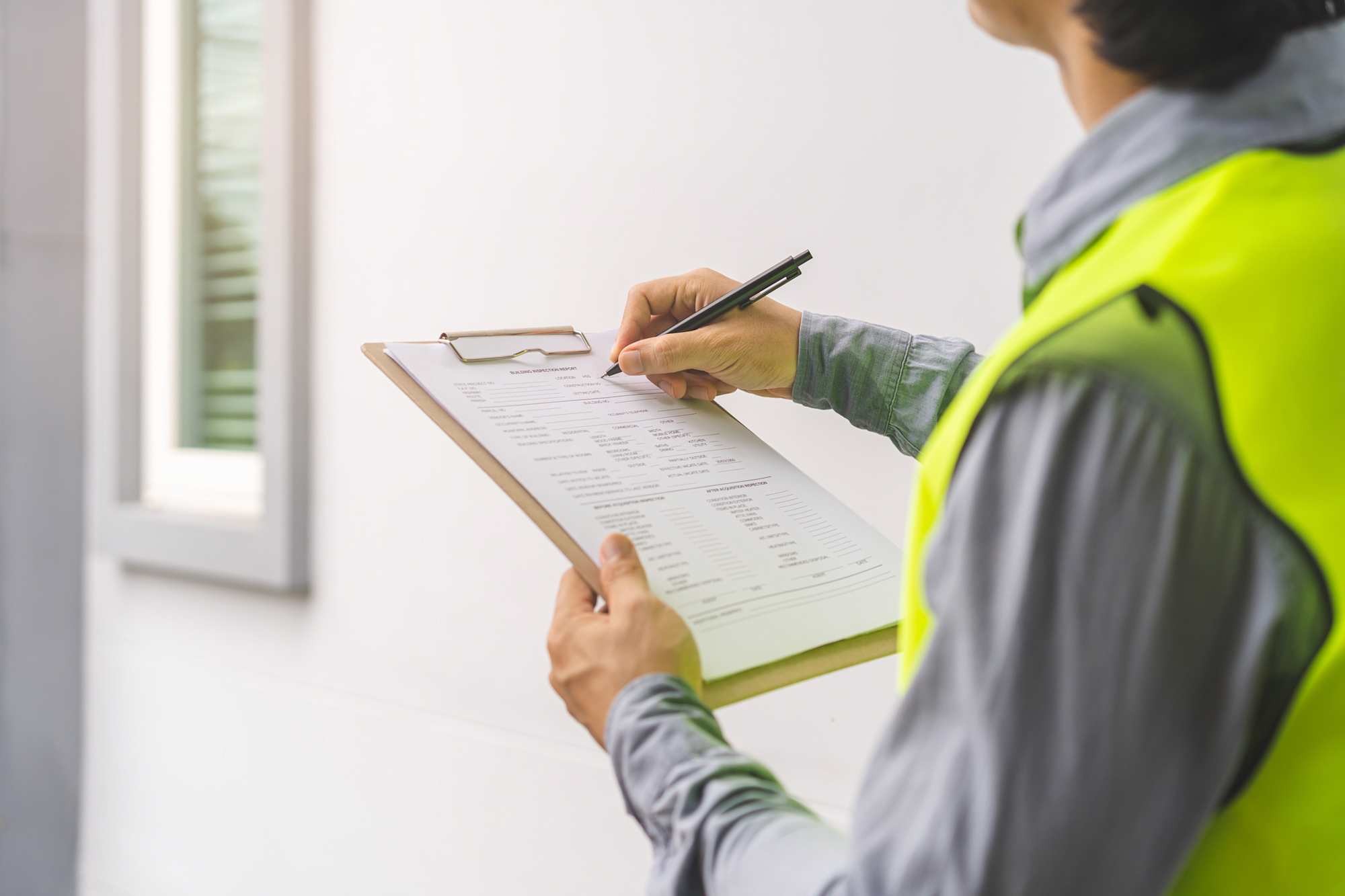
The PCI inspection serves as a quality control checkpoint. Here, both you and your builder can identify any issues that need rectification before the official handover. During this process, you'll walk through your new home systematically, documenting any defects or incomplete work. Also, you'll identify areas that don't meet the agreed specifications outlined in your building contract.
What is a PCI inspection in practical terms? It's your opportunity to ensure every aspect of your new home functions as intended and meets Australian building standards. From checking that doors close properly to verifying that electrical outlets work correctly, this inspection covers every detail that could affect your living experience or safety.
The timing for a new house inspection is crucial. Once you sign off on practical completion, your builder's warranty period begins. Getting them to return for minor fixes becomes more challenging and potentially costly. This is why thorough preparation and attention to detail during the PCI are essential for every new homeowner.
PCI Checklist for a New House: What to Look for During Inspection
Structural and Interior Elements
Your PCI home inspection should begin with a systematic examination of the home's structural integrity and interior finishes. Start by checking walls for cracks, uneven surfaces, or paint imperfections. Even small hairline cracks can indicate settling issues or poor workmanship that may worsen over time.
- Examine all flooring materials carefully. Look for scratches, gaps, or uneven surfaces.
- Timber floors should be properly finished without visible nail holes or rough patches.
- Tiled areas require special attention to ensure proper alignment and grouting.
- Carpeted areas should be free from ripples, stains, or poor edge finishing.
Windows and doors deserve particular scrutiny during your PCI house inspection. Test each window to ensure smooth operation, proper sealing, and correct hardware installation. Doors should open and close effortlessly, with properly aligned frames and functioning locks. Check that all handles, hinges, and security features work as intended.
Kitchen and bathroom installations require detailed inspection. Verify that all cabinetry is properly installed with functioning drawers and doors. Test all taps, ensuring adequate water pressure and proper temperature control. Check for any leaks around sinks, toilets, and shower areas, as these can cause significant damage if left unaddressed.
Exterior and Structural Components
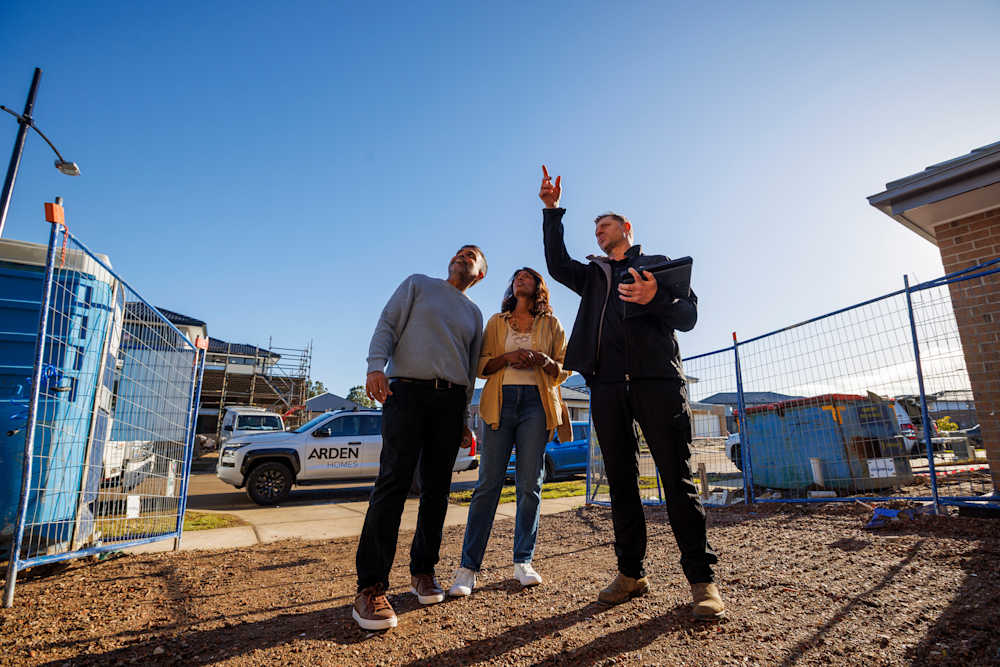
The exterior inspection forms a critical part of your practical completion inspection checklist. Begin with the roof. Look for proper tile or sheet installation, secure guttering, and appropriate flashing around chimneys or vents. While you may not be able to access the roof directly, use binoculars to check for obvious defects or missing components.
Examine external walls for cracks, proper render application, or brick alignment issues. All windows and doors should have appropriate sealing and weatherstripping to prevent water ingress. Check that outdoor areas like patios, decks, or balconies are properly constructed with appropriate drainage and safety features.
Landscaping and site works should also be completed according to your contract specifications. This includes proper grading for drainage, completed driveways and pathways, and any agreed-upon garden installations or fencing.
Systems and Utilities
Testing all mechanical and electrical systems is also essential. Turn on every light switch, test all power outlets, and verify that safety switches function correctly. Check that all electrical installations comply with current Australian standards and include appropriate labelling at the switchboard.
Plumbing systems require comprehensive testing during your inspection. Run water at every tap. Flush all toilets. Test the shower and bath facilities for adequate pressure and proper drainage. Look for any signs of leaks, water damage, or incomplete connections throughout the home.
Heating and cooling systems should be fully operational and properly commissioned. Test all zones or rooms to ensure adequate airflow and temperature control. Verify that filters are installed and that all controls function as expected.
How to Prepare for a Practical Completion Inspection
Documentation and Planning
Preparation for your PCI begins weeks before the actual inspection date. Gather all relevant documentation, including your building contract, approved plans, product specifications, and any previous inspection reports. These documents will serve as your reference points during the inspection. They will help you verify that all work matches the agreed specifications.
Schedule your inspection at a time when you can dedicate several hours to the process without rushing. Natural daylight provides the best conditions for identifying defects, so aim for a morning or early afternoon appointment. Coordinate with your builder to ensure they or their representative will be present to address questions and take notes on required rectification work.
Pre-Inspection Walkthrough
Before the formal inspection, conduct your own preliminary walkthrough of the property. This allows you to identify obvious issues and prepare a list of concerns to address during the official PCI. Take photos of any defects you discover, as this documentation will be valuable during discussions with your builder.
Create a systematic approach for your walkthrough, moving from room to room and exterior to interior. This methodical process helps ensure you don't overlook important areas or rush through critical inspections.
Professional Assistance
Consider engaging an independent building inspector to conduct a parallel assessment of your new home. While this involves additional cost, professional inspectors bring expertise and objectivity that can identify issues you might overlook. Their detailed reports provide valuable documentation and can strengthen your position when requesting rectification work from your builder.
What to Look for at Practical Completion Inspection: Key Areas Requiring Attention
During practical completion inspections, certain areas consistently require additional attention or rectification:
- Paint finishes: Touch-ups are commonly needed around door frames, windows, and ceiling edges
- Tiling work: Grout lines, edge finishing, and tile alignment often require adjustment
- Electrical fittings: Light switches, power outlets, and fixture installations frequently need fine-tuning
- Cabinet hardware: Drawer slides, door hinges, and handles often require adjustment for proper operation
- External works: Drainage, landscaping, and site cleanup are commonly incomplete at initial inspection
What Happens After the Practical Completion Inspection
Following your inspection, your builder should provide a written list of identified defects along with a timeline for completion. This document becomes part of your contract variations and should be retained for future reference. Most builders aim to complete rectification work within 14-30 days, depending on the scope and complexity of required fixes.
Once all identified issues are addressed, a final inspection confirms completion before you receive your keys and certificate of occupancy. At this point, your builder's warranty period officially commences. You can begin planning your move-in process with confidence.
Remember that some minor settling or seasonal adjustments are normal in new homes. Your builder's warranty covers significant defects that may appear in the months following completion, so maintain good communication and document any issues that arise.
Your Path to a Perfect Home
The practical completion inspection represents the culmination of your home-building journey and your final opportunity to ensure everything meets your expectations. By approaching this process with thorough preparation, attention to detail, and realistic expectations, you can identify and resolve issues before they become your responsibility.
Take the time to prepare properly, ask questions during the inspection, and don't hesitate to request rectification for any work that doesn't meet contract specifications. Your diligence during this critical phase will pay dividends in the years ahead, ensuring your new home provides the comfort, safety, and satisfaction you envisioned when you first broke ground.