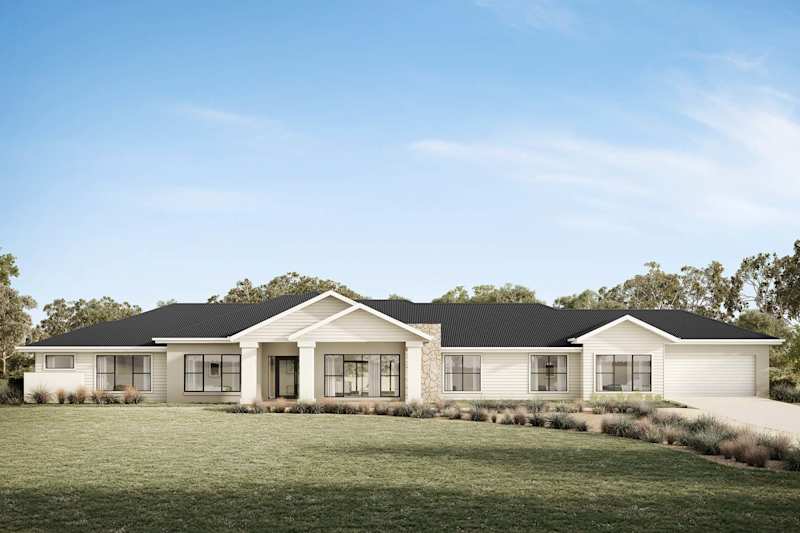
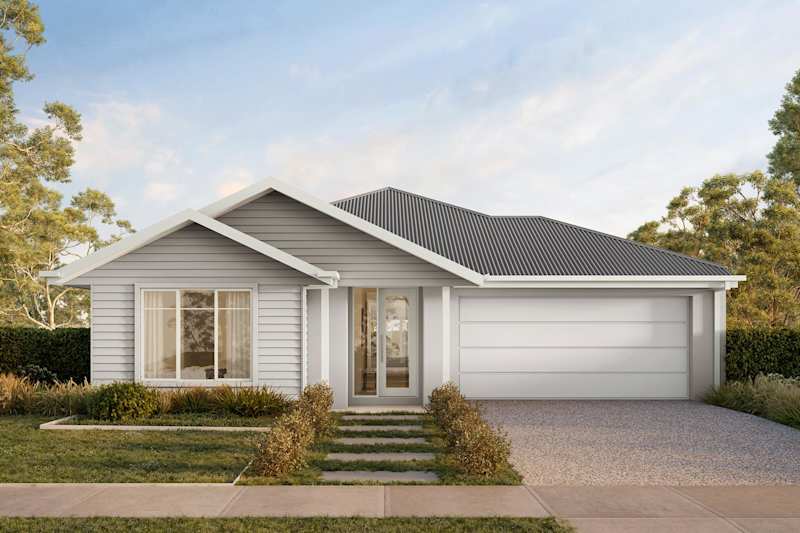
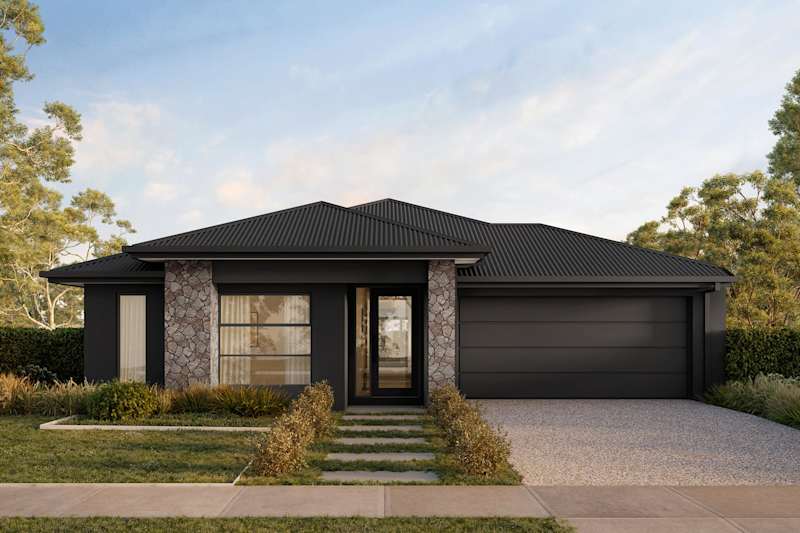
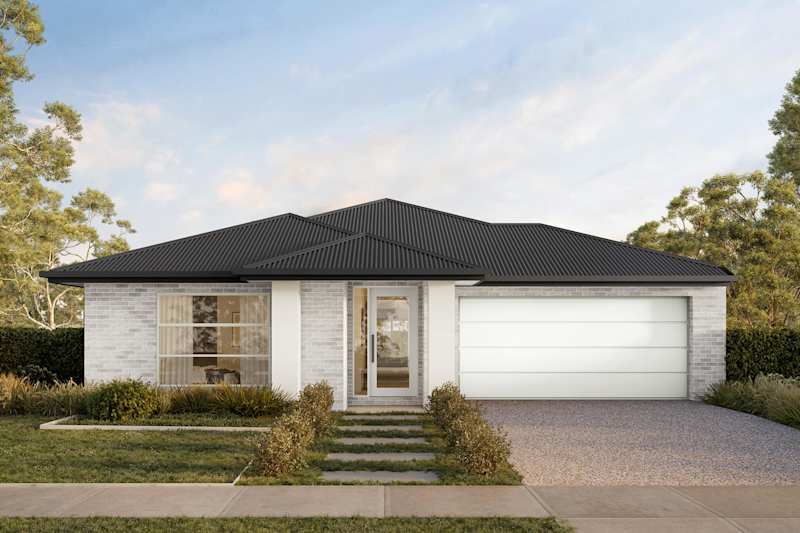
Building your dream home starts with one crucial decision. Choose the wrong builder and face months of delays, budget blowouts, and sleepless nights. Choose wisely and watch your vision come to life smoothly and on schedule. The difference between these two outcomes lies in knowing how to select good home builders who will deliver exactly what they promise.
The right builder becomes your partner in creating something special. They bring expertise, manage complex processes, and turn your ideas into reality. But with hundreds of builders advertising their services, how do you separate the exceptional from the average? These six proven tips will guide you through the selection process and help you find a reputable builder who deserves your trust and investment.
Why Your Builder Choice Matters So Much
The Builder's Role in Your Success
A home builder does far more than simply construct walls and install roofs. They coordinate dozens of tradespeople, manage material deliveries, navigate council approvals, and solve problems before you even know they exist. They're project managers, quality controllers, and problem solvers all rolled into one.
Good builders maintain relationships with reliable subcontractors. They know which electricians show up on time, which plumbers do quality work, and which painters leave clean finishes. These relationships directly impact your project's quality and timeline.
They also understand building codes, soil conditions, and local council requirements. This knowledge prevents costly mistakes and ensures your home meets all safety and legal standards. Experienced builders spot potential issues early and have solutions ready before problems become expensive delays.
The Cost of Choosing Poorly
Poor builder selection leads to predictable problems. Delays stretch projects from months to years. Quality issues require expensive fixes after completion. Communication breakdowns create stress and uncertainty throughout the building process.
Some builders take on too many projects and can't give yours proper attention. Others lack the skills for complex designs or modern building techniques. A few unfortunately go out of business mid-project, leaving homeowners scrambling to find new builders and potentially losing deposits.
The most reputable home builders protect you from these risks. They have established systems, proven track records, and the financial stability to complete your project properly. Investing time in proper selection saves money, stress, and disappointment later.
Six Essential Tips for Finding Great Builders
Tip 1: Start With Thorough Research
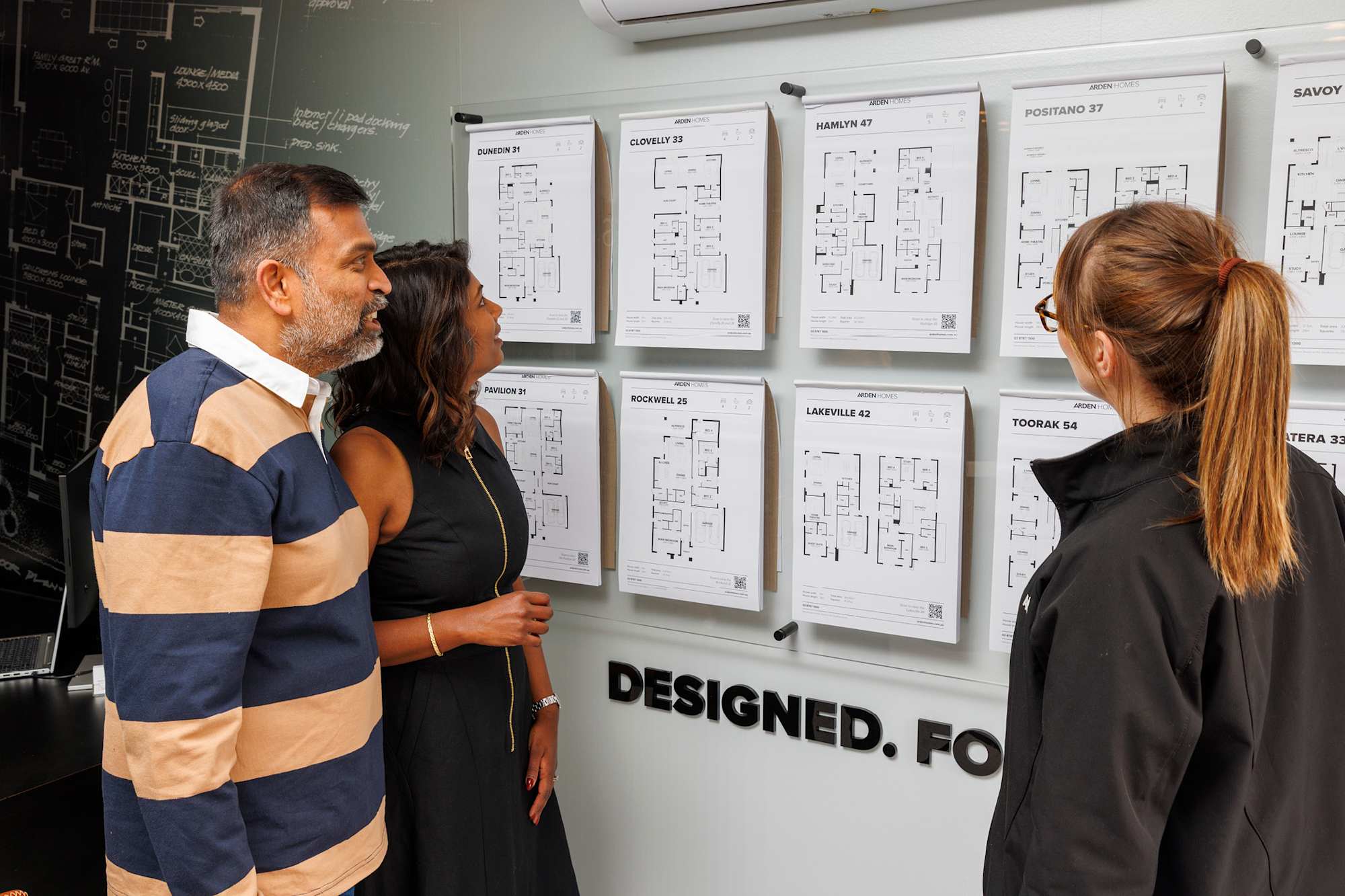
Begin your search by asking people you trust for recommendations. Friends, family members, and colleagues who've built homes recently can share real experiences with local builders. Real estate agents and architects also know which builders deliver quality work consistently.
Online research provides additional insights into potential builders. Check Google reviews, social media pages, and building industry websites. Look for patterns in feedback rather than focusing on single complaints or glowing reviews.
Key research steps include:
- Word-of-mouth recommendations from trusted sources with recent building experience
- Online review analysis across multiple platforms to identify consistent themes
- Industry association memberships that indicate professional commitment
- Local council records showing compliance history and permit approvals
Verify that potential builders hold proper licenses and certifications. In Australia, all builders should have a license and insurance. Check these credentials directly with relevant state authorities rather than relying on what builders tell you.
Tip 2: Evaluate Experience and Local Expertise
Experience matters in home building. Builders who've completed hundreds of homes have encountered and solved problems that might stump newer contractors. They understand which materials work best in local conditions and which design elements cause ongoing maintenance issues.
Look for builders with specific experience in your type of project. Custom home builders, volume builders, and renovation specialists each require different skills. A builder who excels at tract housing might struggle with unique architectural designs.
Local expertise proves especially valuable. Builders familiar with your area understand soil conditions, weather patterns, and council requirements. They have relationships with local suppliers and subcontractors. This local knowledge translates to smoother projects and fewer unexpected complications.
Ask potential builders about their average project timeline and how often they meet their promised completion dates. Experienced builders can provide realistic schedules because they understand how long each phase actually takes.
Tip 3: Review Portfolios Thoroughly to Find a Good Builder
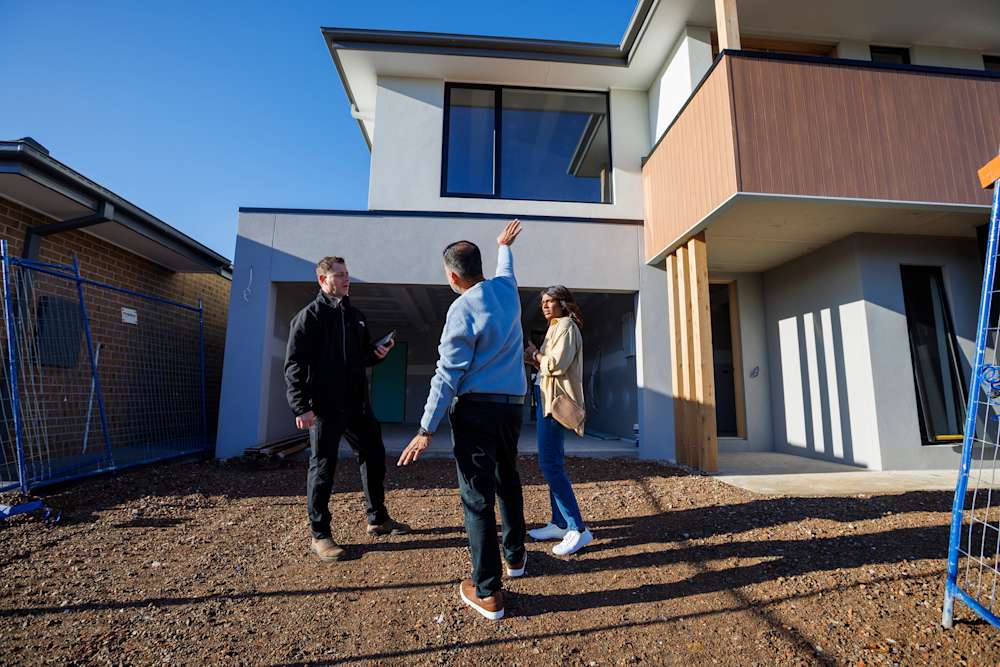
A builder's past work tells you everything about their capabilities and standards. Ask to see a comprehensive portfolio of recent projects similar to what you're planning. Don't settle for photos alone – visit completed homes whenever possible.
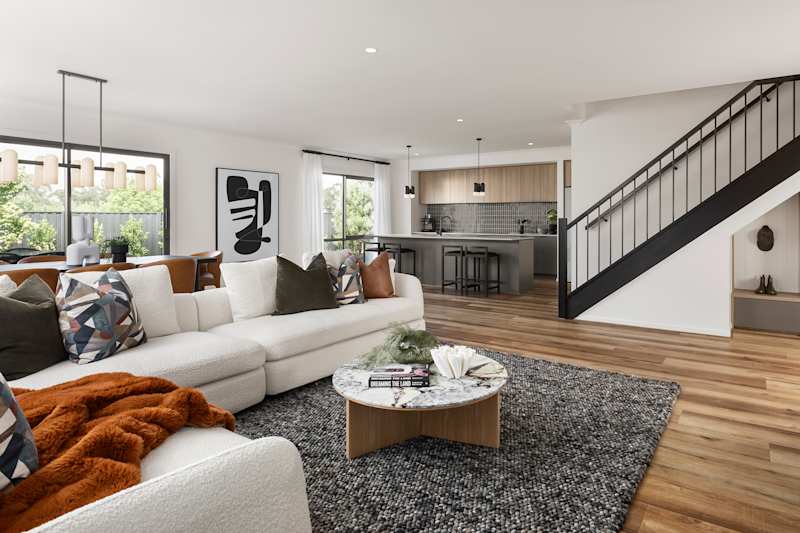
When viewing past projects, pay attention to finish quality, design execution, and overall craftsmanship. Look at details like paint lines, tile work, and cabinet installation. These small elements reveal a builder's attention to quality and pride in their work.
During portfolio reviews, examine:
- Architectural complexity and how well builders executed challenging designs
- Finish quality in areas like bathrooms, kitchens, and trim work
- Problem-solving evidence where builders overcame site or design challenges
- Timeline performance and whether projects completed on schedule
- Client satisfaction through direct conversations with past customers when possible
Contact previous clients directly if builders provide references. Ask about communication quality, problem resolution, timeline performance, and overall satisfaction. Most happy customers willingly share their experiences and offer valuable insights.
Tip 4: Demand Detailed Quotes and Clear Contracts
Professional builders provide detailed written quotes that break down costs by category. Avoid builders who give verbal estimates or vague pricing. Detailed quotes help you compare builders fairly and understand exactly what you're paying for.
Good quotes specify materials, labour costs, timeframes, and exactly what's included versus excluded. They outline payment schedules, change order procedures, and warranty terms. Professional builders welcome questions about their quotes and explain any unclear items.
Contract terms reveal a builder's professionalism and business practices. Fair contracts protect both parties while clearly outlining responsibilities, timelines, and quality standards. Experienced builders use comprehensive contracts developed through years of successful projects.
Review contract terms carefully before signing. Understand warranty coverage, dispute resolution procedures, and what happens if problems arise during construction. Don't hesitate to ask lawyers to review contracts for major projects.
Tip 5: Assess Communication and Compatibility
Building a home requires months of collaboration between you and your builder. Communication problems create stress, delays, and misunderstandings that can derail projects. Choose builders who communicate clearly and regularly throughout the process.
During initial meetings, notice how well builders listen to your ideas and concerns. Do they ask thoughtful questions about your lifestyle and preferences? Can they explain technical concepts in understandable terms? Good communication starts from the first conversation.
Evaluate communication through:
- Response time to phone calls, emails, and questions
- Clarity of explanations when discussing technical aspects or potential problems
- Listening skills and the ability to understand your specific needs and preferences
- Regular updates throughout the construction process
- Problem-solving approach when issues arise during building
Personal compatibility matters too. You'll work closely with your builder for months. Choose someone you trust, respect, and feel comfortable communicating with regularly. This relationship significantly impacts your building experience.
Tip 6: Verify Financial Stability and Insurance Coverage
Construction projects require significant upfront investments in materials and labor. Builders need solid financial foundations to manage these cash flow requirements without compromising your project. Unstable builders might delay work, cut corners, or abandon projects when financial pressure mounts.
Request financial references from banks, suppliers, or bonding companies. Established builders have credit relationships that demonstrate their financial reliability. Be cautious about builders requesting large upfront payments or pushing for unusual payment terms.
Insurance coverage protects you from liability and ensures builders can handle problems that arise during construction. Verify that builders carry appropriate general liability insurance, workers' compensation coverage, and any other required policies.
Essential insurance verification includes:
- General liability coverage protecting against property damage or injuries
- Workers' compensation insurance covering job site injuries
- Builder's risk insurance protecting against damage during construction
- Professional liability coverage for design-build contractors
- Current policy certificates provided directly by insurance companies
Some builders also offer additional warranties or guarantees beyond legal requirements. These extras demonstrate confidence in their work and provide additional protection for your investment.
Finding Good House Builders: Final Thoughts
Selecting good home builders requires time and careful evaluation, but this investment pays dividends throughout your project. The right builder brings expertise, reliability, and peace of mind that make the building process enjoyable rather than stressful.
Remember that the lowest quote rarely represents the best value. Focus on finding builders who demonstrate professionalism, quality workmanship, and clear communication. These qualities matter far more than saving a few thousand dollars upfront.
Take time to research thoroughly, visit past projects, and check references. Trust your instincts about compatibility and communication style. The best builder for your project combines technical skills with personal qualities that make collaboration productive and pleasant.
How to choose a good builder ultimately comes down to doing your homework and trusting the process. Great builders welcome scrutiny because they're proud of their work and confident in their abilities.
Ready to start your search? Use these six tips to evaluate potential builders systematically. The time you invest now in finding the right partner will reward you with a smooth building process and a home that exceeds your expectations.