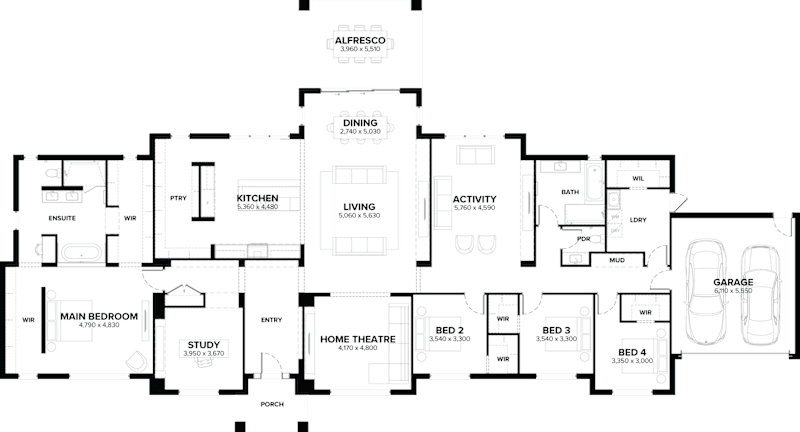
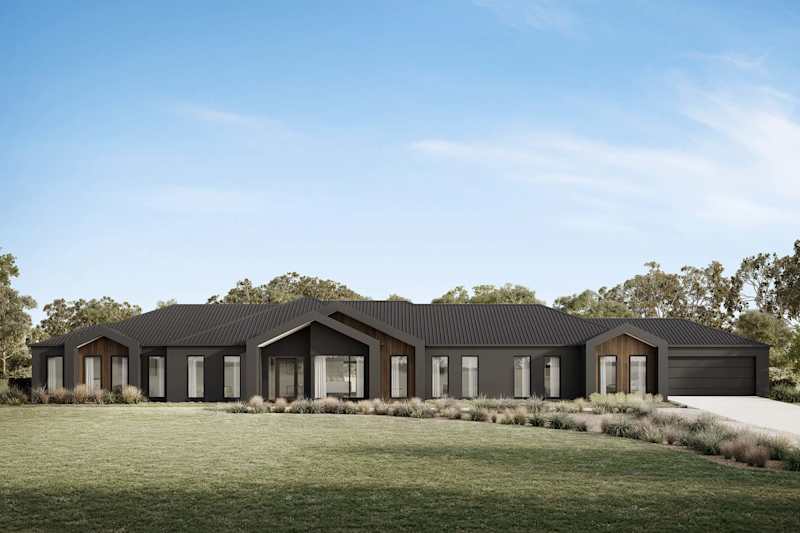
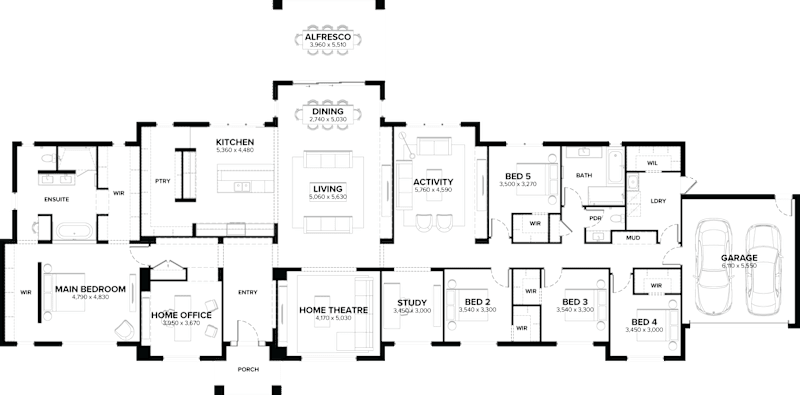
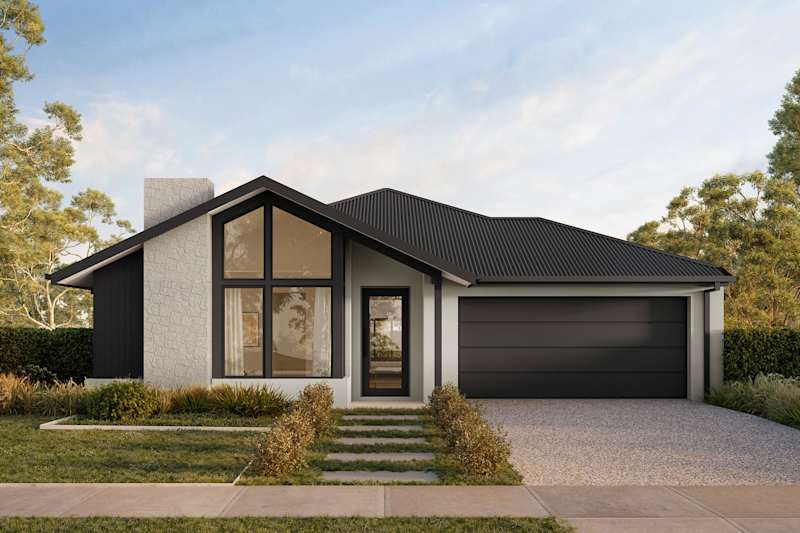
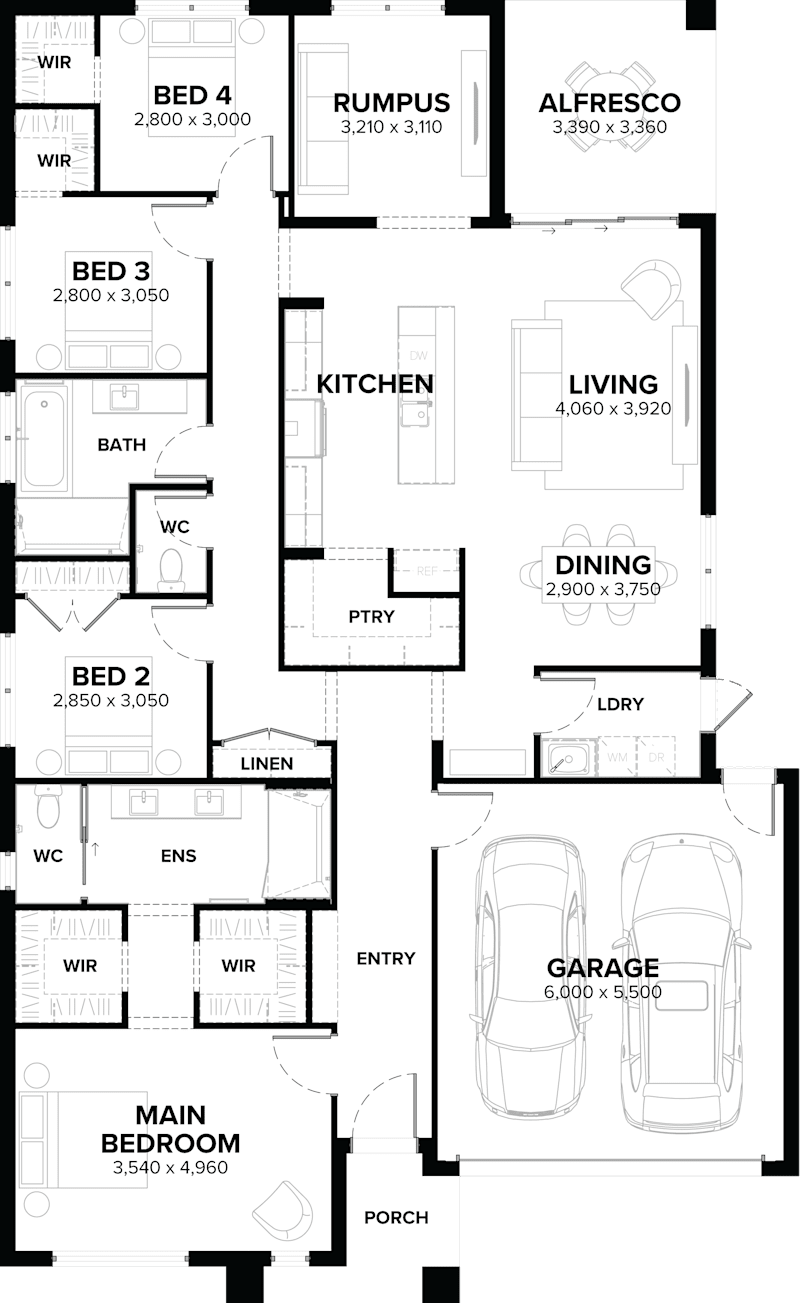
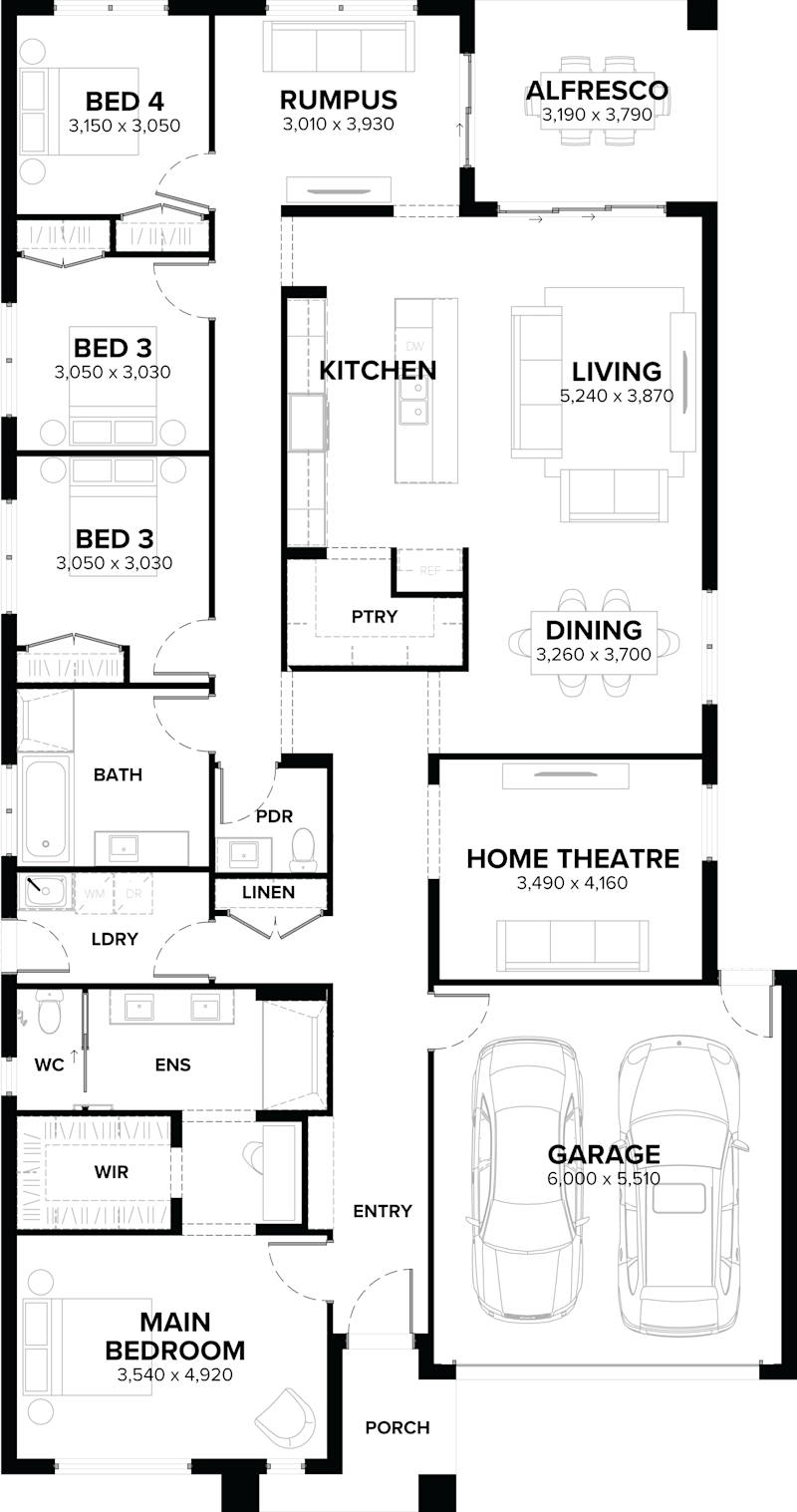
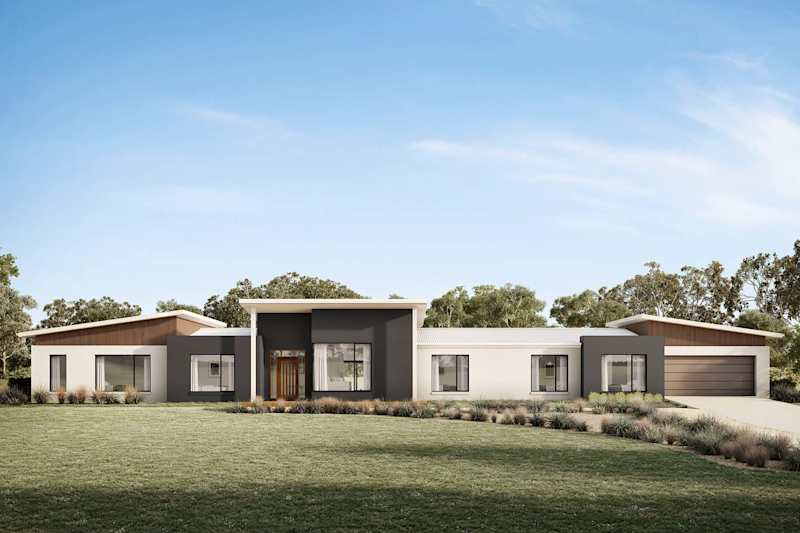
Picture preparing dinner while helping children with homework and chatting with your partner on the sofa – all from your kitchen. The barriers between cooking, living, and entertaining have dissolved, creating one flowing space where life happens naturally. Are you considering an open plan kitchen for your home?
According to the Housing Industry Association, 78% of new homes built in Australia in 2024 featured open plan kitchen and living configurations. This represents the highest adoption rate on record, showing how Australian families have embraced this design revolution.
The appeal goes beyond trends. Open plan kitchens solve real problems for modern families. They create flexible spaces for work and play. They maximise limited square footage. They bring people together instead of separating them.
Understanding how to make open plan kitchen designs work effectively will help you create a space that truly enhances daily life.
Understanding the Open Plan Kitchen Concept
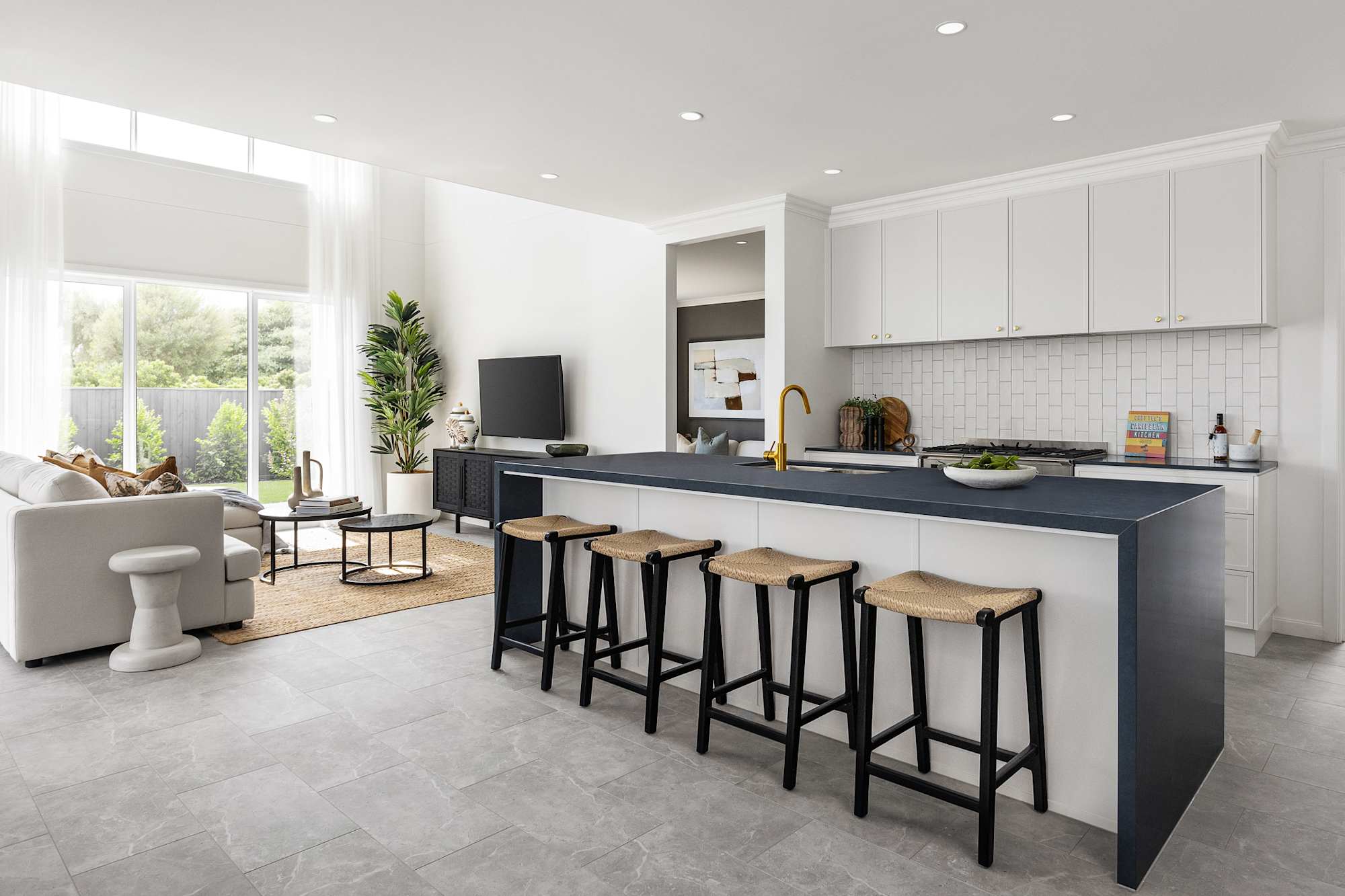
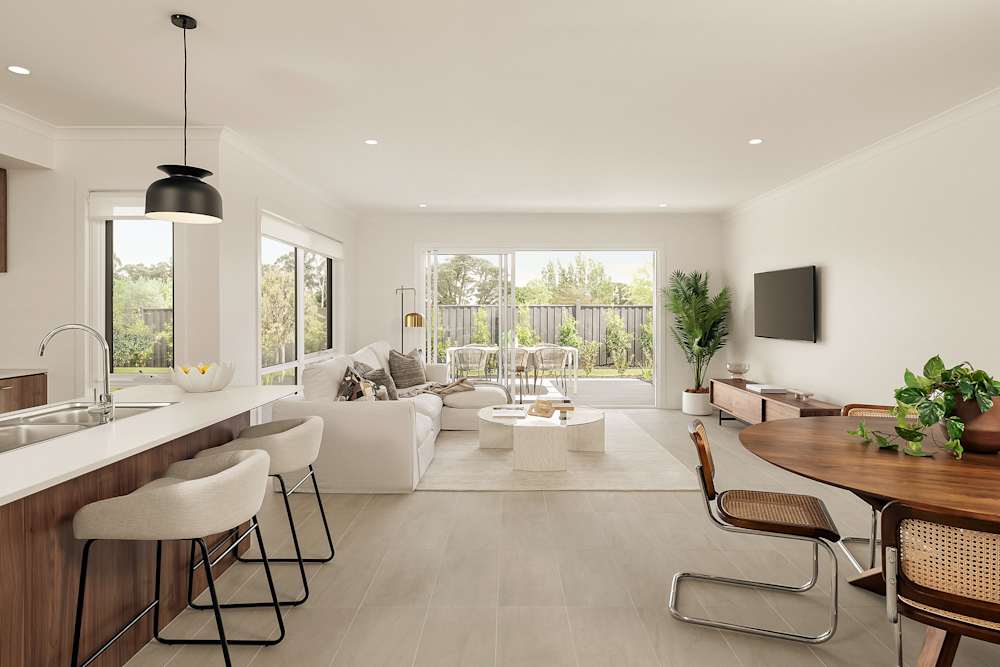
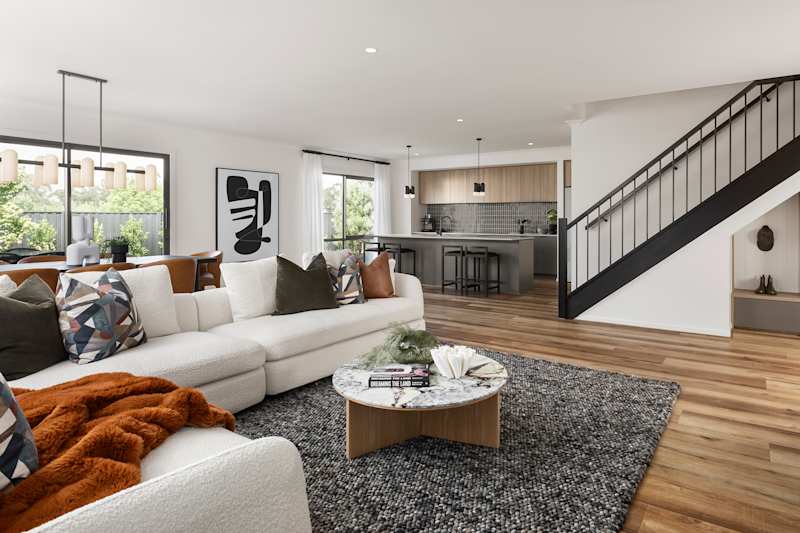
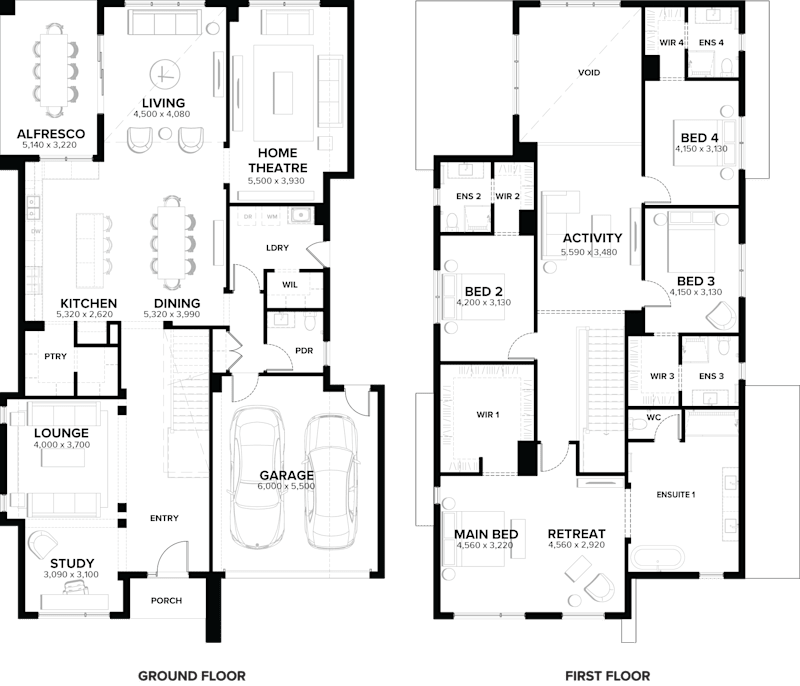
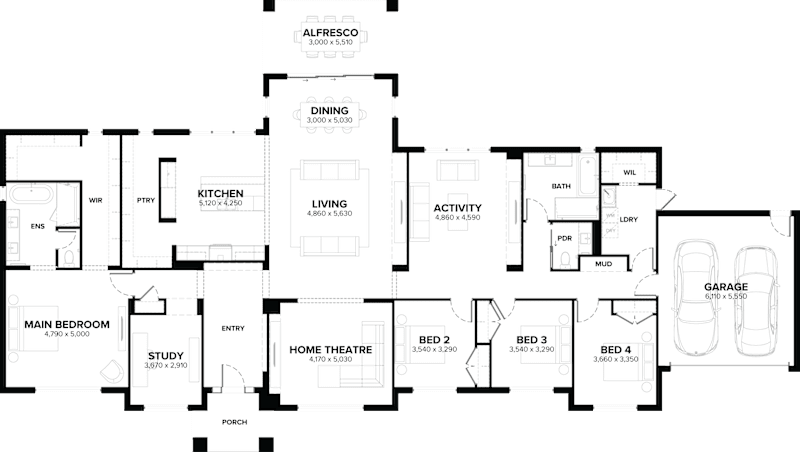
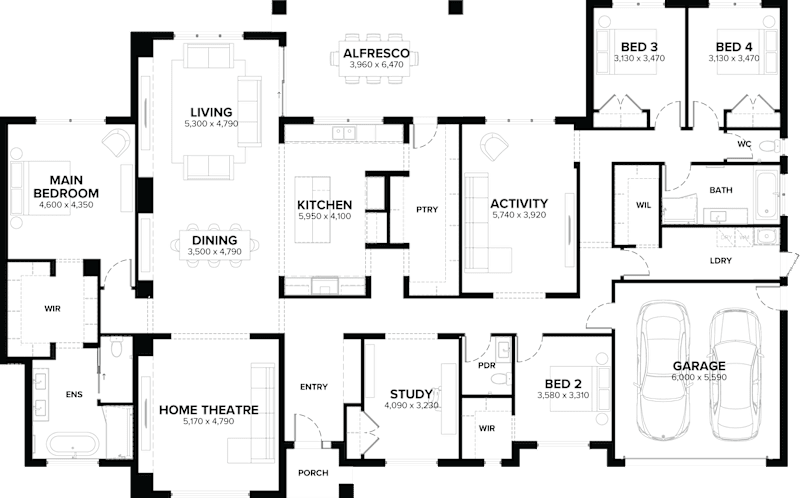
An open plan kitchen eliminates traditional walls between the kitchen and adjacent living spaces. It creates one large, continuous area where cooking, dining, and relaxing activities coexist harmoniously. Rather than confining culinary activities to a separate room, this approach integrates the kitchen into the home's social heart. The kitchen becomes a central hub for family life and entertaining.
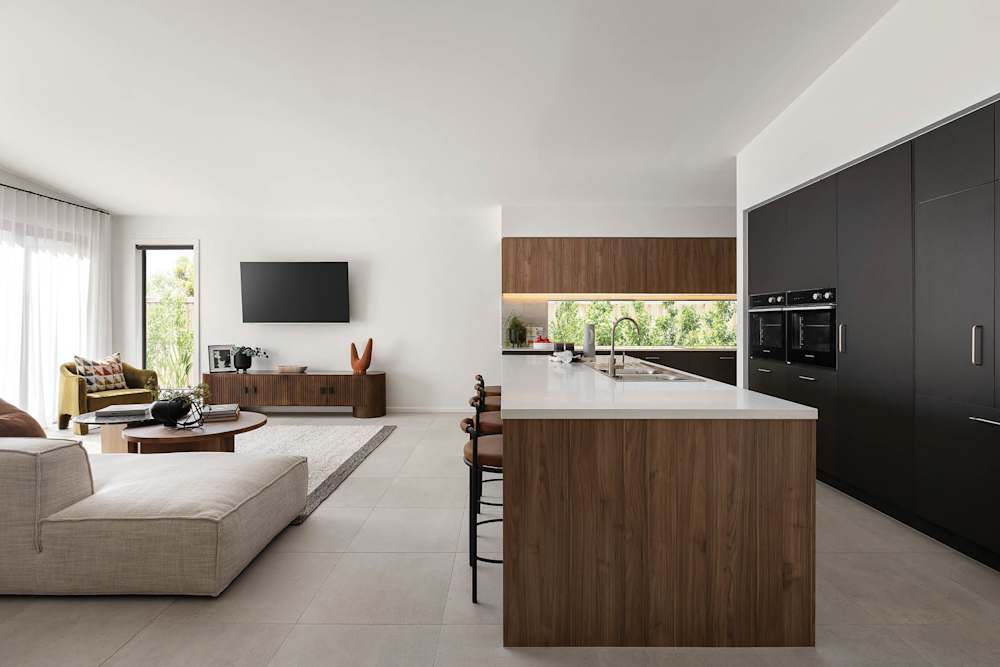
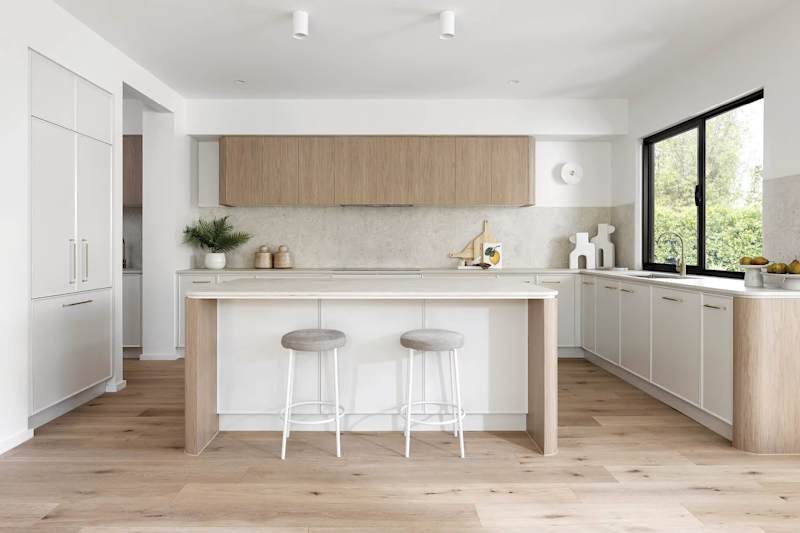
The key feature of successful open plan kitchen and living area designs is keeping separate functional zones. At the same time, they maintain visual and physical connections between the spaces. The kitchen island often serves as a natural transition point. It provides workspace and storage while creating subtle separation between cooking and living areas.
This philosophy embraces the concept that modern homes should adapt to how families actually live, rather than forcing lifestyle choices into predetermined room structures. The result is a more flexible, efficient use of space. Such a house can accommodate everything from quiet morning coffee routines to large dinner parties with equal effectiveness.
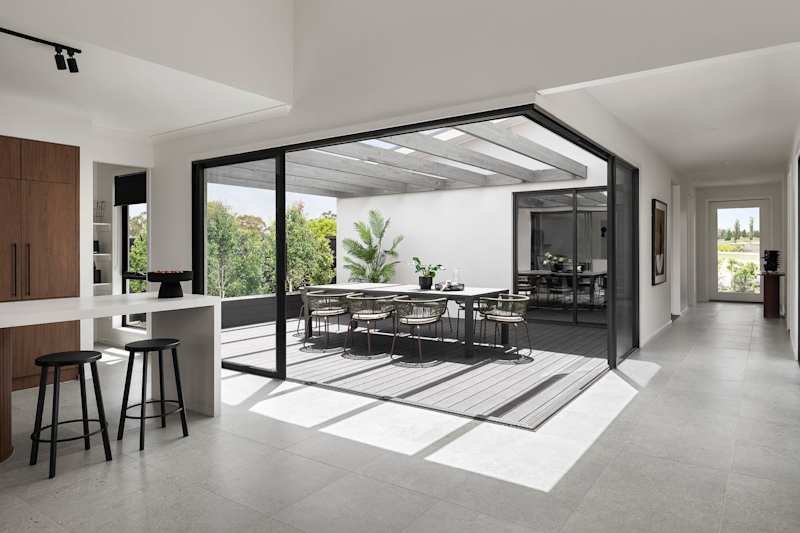
The open concept layout maximises the perception of space by eliminating visual barriers and allowing natural light to flow freely throughout the area. Sightlines extend across multiple functional zones, creating a sense of spaciousness even in modestly sized homes.
The Enduring Appeal of Open Plan Kitchen Designs
Space Optimisation and Visual Expansion
Open plan kitchen and living room combinations create an immediate sense of spaciousness that separate rooms cannot match. By removing walls, these layouts eliminate wasted circulation space and maximise the usable area within the home's footprint. This efficiency is valuable in cities where building space is limited. Every square meter matters for comfortable living.
The visual continuity created by open layouts makes homes feel significantly larger than their actual square footage suggests. Sight lines extend across multiple functional areas, creating depth and perspective that enclosed rooms cannot provide. This psychological impact of perceived spaciousness contributes significantly to the overall living experience and home satisfaction.
Enhanced Social Connection and Family Life
Modern families value connection and interaction, and open plan living area and kitchen designs naturally encourage these social benefits. Parents can maintain supervision and interaction with children while preparing meals or completing household tasks. They can work from kitchen islands that double as home offices.
The design eliminates the isolation that traditional closed kitchens created by separating cooks from family activities and conversations. Instead, meal preparation becomes a social activity where family members and guests naturally congregate, creating opportunities for meaningful interaction and shared experiences.
Improved Natural Light and Ventilation
Removing walls between spaces allows natural light to penetrate deeper into homes. It reduces reliance on artificial lighting during daytime hours.
Windows in living areas can illuminate kitchen spaces. Kitchen windows contribute light to dining and relaxation zones. This all creates brighter, more pleasant environments throughout.
Air circulation also benefits from open layouts. Breezes and airflow can move freely between spaces instead of walls and doors blocking them. This improved ventilation contributes to better indoor air quality. It can also reduce reliance on mechanical cooling systems during moderate weather conditions.
Key Benefits That Keep Open Plan Kitchens Relevant
Entertainment and Hospitality Advantages
The open plan kitchen excels at accommodating both casual family gatherings and formal entertainment. Hosts can interact with guests while preparing food and beverages, eliminating the isolation that traditional closed kitchens imposed during social events. Kitchen islands provide natural gathering points where conversations develop and relationships deepen.
Entertainment benefits include:
- Seamless flow between cooking, dining, and relaxation areas for natural party progression
- Increased capacity for guests who can spread across multiple connected zones
- Visual connection allowing hosts to remain engaged with guests during meal preparation
- Flexible serving options with multiple surfaces and areas available for food and beverage presentation
- Easier cleanup coordination where multiple people can assist without crowding separate rooms
Property Value and Market Appeal
Open plan kitchen ideas consistently rank among the most sought-after features for home buyers, particularly in the family market segment. Real estate professionals consistently report that homes with well-designed open layouts sell faster and command premium prices compared to similar properties with traditional closed floor plans.
The wide market appeal comes from the flexibility these layouts offer. This allows buyers to imagine their own lifestyle in the space. Young families appreciate the supervision and interaction possibilities, while empty nesters value the efficiency and entertaining capacity.
Adaptability to Changing Needs
Open layouts adapt to evolving family needs more easily than rigid room structures. You can change furniture arrangements for different activities. This includes formal dinner parties, children's play areas, and home office setups. This flexibility extends the functional lifespan of homes by allowing spaces to evolve with changing family dynamics.
Making Open Plan Kitchen Designs Work for Your Lifestyle
Strategic Space Definition and Zoning
Successful modern open plan kitchen implementations require thoughtful zoning to create distinct areas within the larger space while maintaining the benefits of openness. Visual and physical cues help define different functional zones without resorting to walls or barriers that would compromise the open concept.
Furniture placement serves as the primary tool for space definition. Kitchen islands create natural boundaries between cooking and living areas while providing additional workspace and storage. Area rugs define seating and dining zones. Lighting fixtures can reinforce different activity areas through varied illumination levels and styles.
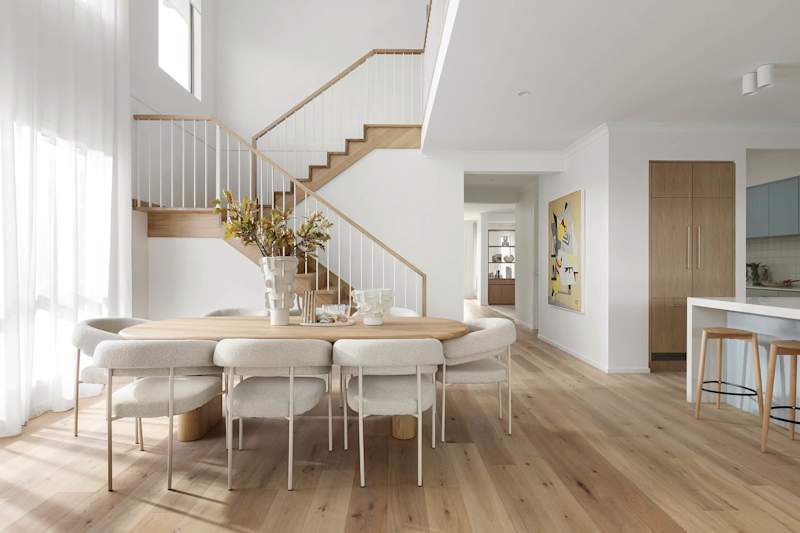
Colour and material choices also contribute to effective zoning. Consistent flooring materials maintain visual continuity, while subtle changes in wall colours or finishes can distinguish different functional areas. These techniques preserve the open feeling while providing psychological boundaries that make each zone feel purposeful and defined.
Storage Solutions and Organisation Strategies
Open plan kitchens require more thoughtful storage planning since kitchen contents are visible from living areas. Clutter control becomes essential for maintaining the clean, spacious aesthetic that makes open layouts successful.
Effective storage strategies include:
- Integrated appliance panels that maintain clean sight lines across open spaces
- Hidden pantry systems that maximise storage while minimising visual impact
- Multi-functional furniture like Ottoman storage or console tables with built-in organisation
- Vertical storage solutions that utilise wall space efficiently without creating visual barriers
- Consistent styling for visible storage items that maintain the overall design aesthetic
The goal is to create storage systems that support the open layout rather than compromising its visual benefits through clutter or inconsistent styling.
Traffic Flow and Layout Optimisation
Effective open plan kitchen and living area designs require careful attention to traffic patterns and movement flows. The kitchen work triangle principles still apply, but they must be coordinated with circulation patterns for the entire open space.
Position kitchen islands to facilitate cooking efficiency while avoiding interference with main traffic routes between living areas. Adequate clearance around all sides of islands ensures comfortable movement for both cooking activities and general circulation.
Consider how different activities will occur simultaneously within the space. Cooking preparation should not interfere with television viewing or homework activities, while dining areas need sufficient separation from high-traffic circulation routes.
Addressing Common Concerns About Open Plan Kitchens
The Fashion Question: Are Open Plan Kitchens Going Out of Fashion?
Despite occasional predictions about their decline, open plan kitchens continue to dominate new home construction and renovation projects. The practical benefits that drove their initial popularity remain relevant to modern lifestyles, and design evolution has addressed many early criticisms through improved planning and implementation.
Rather than disappearing, open plan designs have matured and become more sophisticated. Contemporary approaches incorporate better noise management, improved ventilation systems, and more thoughtful zoning techniques that address the legitimate concerns raised by early open plan implementations.
Noise Management and Privacy Solutions
Modern open plan kitchen designs incorporate acoustic considerations that early implementations often overlooked. Sound-absorbing materials, strategic placement of soft furnishings, and careful selection of appliances help manage noise levels within the space.
When privacy or quiet zones are needed, temporary solutions like folding screens, curtain systems, or movable furniture can provide separation without permanently compromising the open layout benefits.
Your Open Plan Kitchen Journey Starts Here
Open plan kitchen designs continue to thrive. They solve real-world challenges while enhancing how families live and connect. These layouts create flexible spaces that grow and adapt with your changing needs, from busy weekday mornings to weekend entertaining.
The secret to success lies in thoughtful planning that goes beyond simply removing walls. Effective open plan design creates purposeful connections while preserving the distinct character each activity requires. Whether building new or renovating, these concepts offer proven solutions that truly serve the people who live in them.
Ready to explore how open plan design could transform your home? Explore display homes with open plan layouts that work seamlessly for your family's unique lifestyle.