Standing in your backyard, envisioning the perfect outdoor entertaining space, you're faced with a common dilemma: should you build an alfresco area, install a patio, or construct a pergola? Each option promises to transform your outdoor area, but they deliver distinctly different experiences. Making the wrong choice could mean years of regret, while the right decision creates a space you'll treasure every single day.
Australian homeowners are investing more in outdoor living than ever before, and for good reason. These spaces extend your home's footprint, increase property value, and provide that essential connection to the outdoors that defines the Australian lifestyle. According to statistics, outdoor living areas now feature in over 75% of new home builds, with homeowners allocating an average of 15-20% of their total building budget to these spaces. The question isn't whether to create an outdoor area—it's which type suits your needs best.
Understanding the fundamental differences between alfresco areas, patios, and pergolas empowers you to make an informed decision that aligns with your lifestyle, budget, and home design. Let's explore each option in detail to help you choose confidently.
Understanding Alfresco, Patio, and Pergola
What is an Alfresco Area?
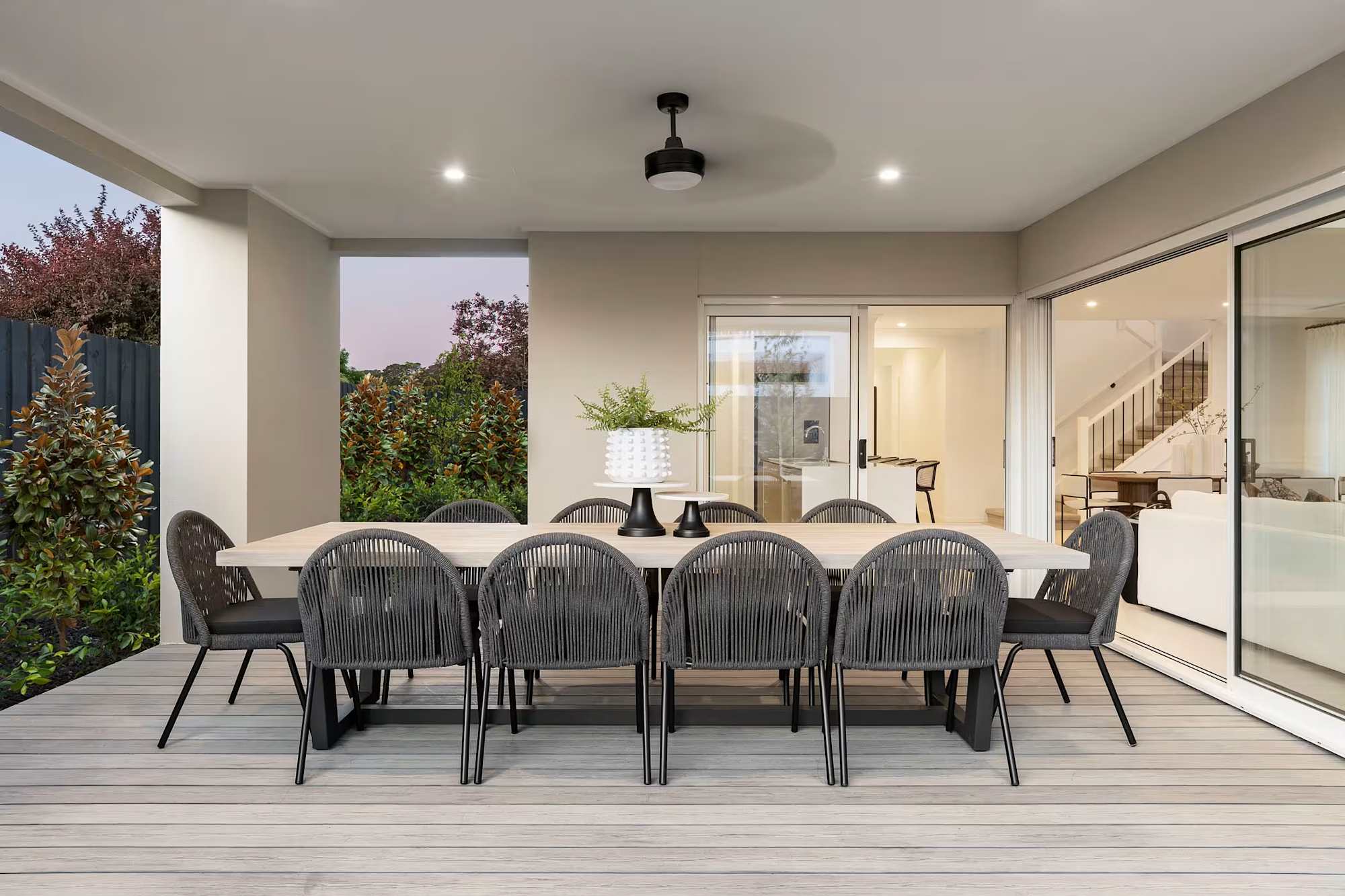
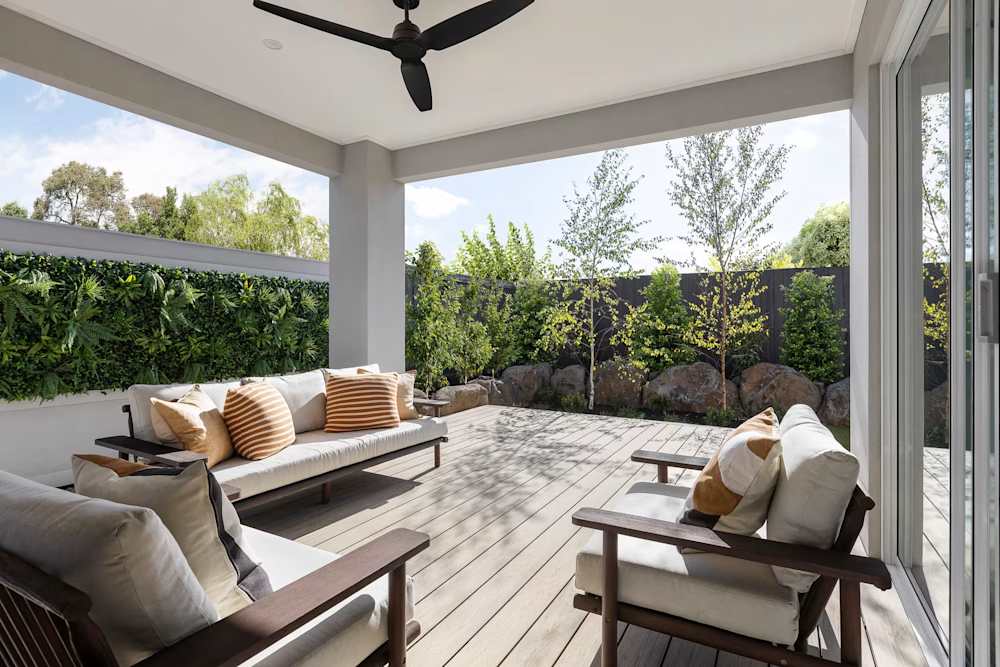
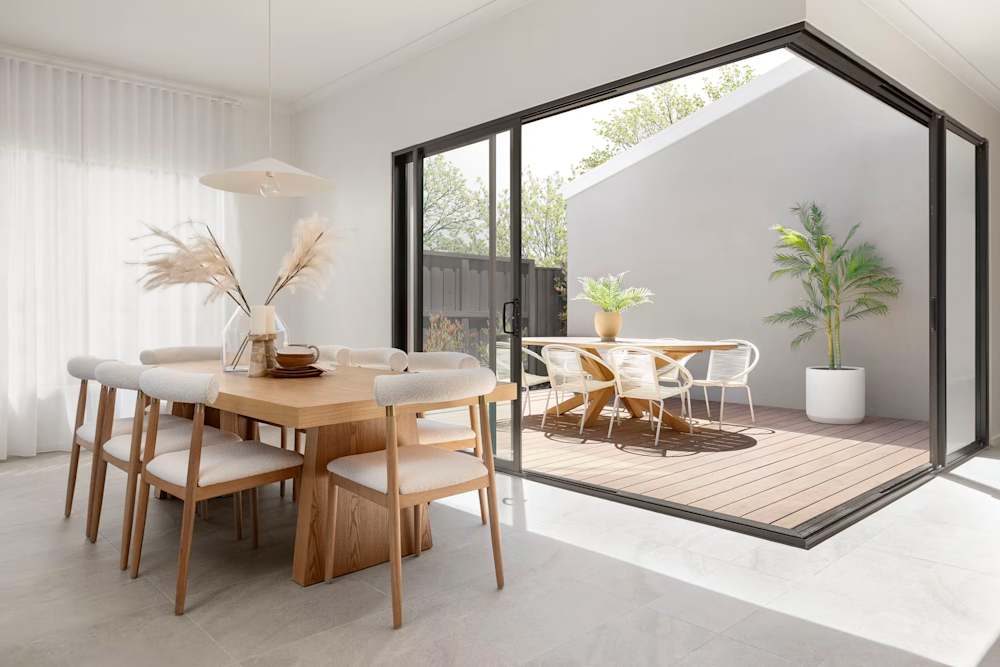
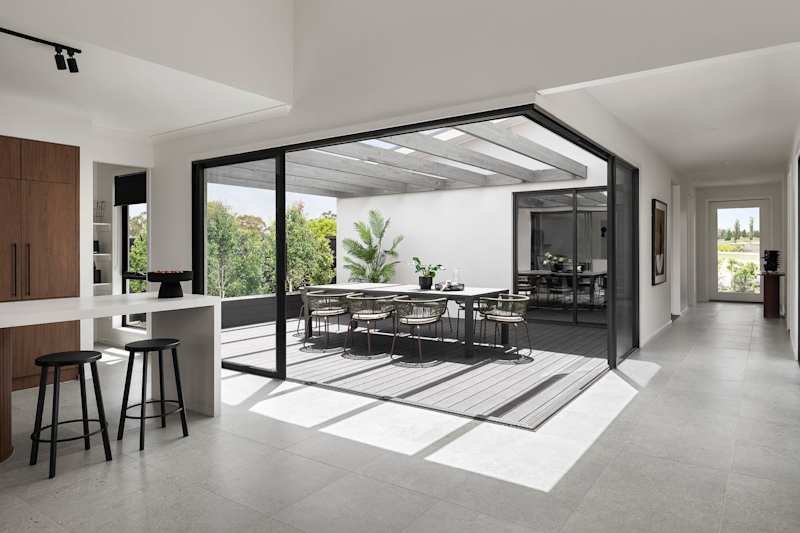
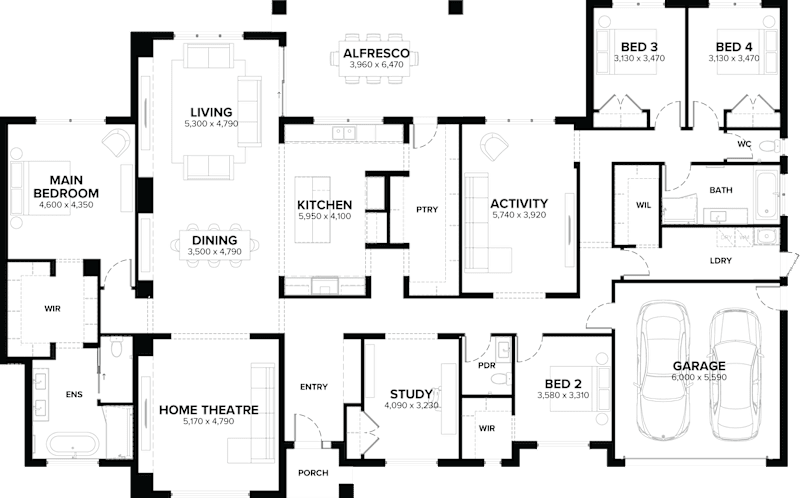
An alfresco area represents the most integrated form of outdoor living, functioning as a true extension of your home's interior spaces. These covered outdoor areas connect directly to main living zones—typically the kitchen or living room—creating seamless indoor-outdoor flow. Alfresco spaces feature solid roofing that provides complete protection from rain and harsh sun, making them usable regardless of weather conditions.
Australian homes embrace alfresco areas as permanent architectural features rather than afterthoughts. They're designed and built as part of the home's structure, sharing the same roofline and often continuing the same flooring materials from inside. This integration creates a cohesive design that feels intentional and polished. Modern alfresco spaces often include built-in features like outdoor kitchens, ceiling fans, lighting, and even heating elements for year-round comfort.
Alfresco vs Patio vs Pergola – Key Differences
Alfresco vs Patio
The alfresco vs patio debate centres on integration and protection. Alfresco areas blend seamlessly with your home's architecture, appearing as planned extensions rather than additions. They share your home's design language through consistent materials, roofing, and finish quality. Patios, conversely, function as separate outdoor zones that may or may not visually connect to the main structure.
Protection from elements distinguishes these options significantly. Alfresco areas offer complete overhead coverage with solid roofing, allowing comfortable use during rain or intense sun. The difference between patio and alfresco becomes obvious during unpredictable weather—alfresco spaces remain usable while exposed patios force gatherings indoors.
Functionality varies based on this protection level. Alfresco areas support more sophisticated uses, including permanent outdoor kitchens, electronic entertainment systems, and upholstered furniture that would deteriorate on exposed patios. Patios excel for casual gatherings, barbecue areas, and activities where complete openness to the sky enhances the experience. They're perfect for soaking up winter sunshine or stargazing on clear evenings.
Pergola vs Patio
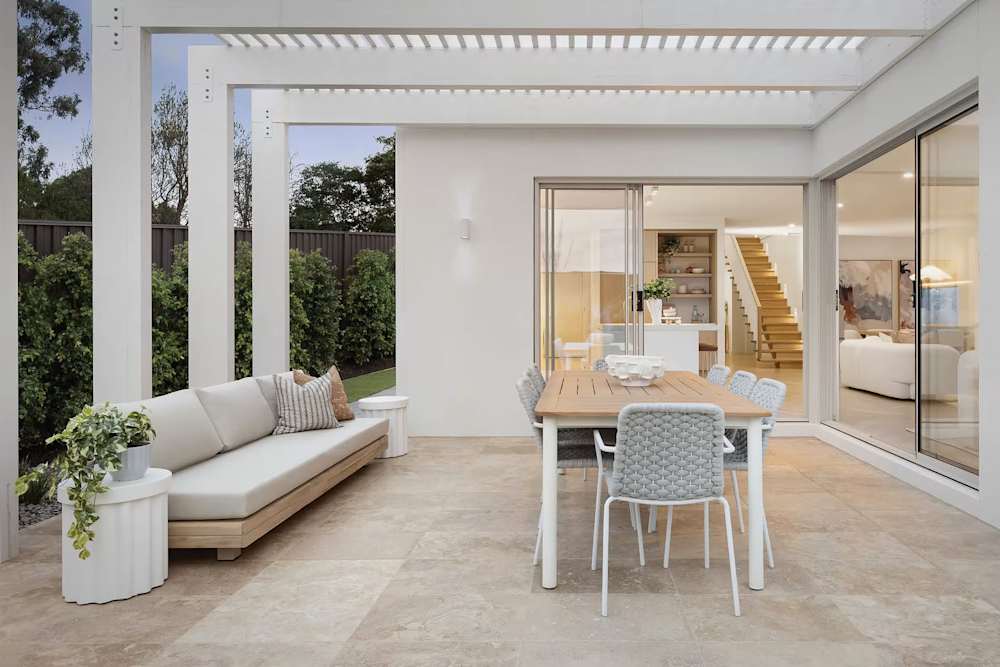
When considering a patio or pergola, the decision often comes down to aesthetics versus simplicity. Pergolas add vertical architectural interest, creating focal points that draw the eye upward and define spaces within larger gardens. Their structure provides a framework for climbing plants, hanging lights, and decorative elements. Patios offer clean, unobstructed spaces where the focus remains on furniture, plantings, and activities rather than overhead structures.
Climate considerations influence the pergola vs patio vs alfresco discussion significantly. Patios work beautifully in temperate climates or for homeowners who enjoy complete sun exposure. They're ideal when you want flexibility to add temporary shade with umbrellas or shade sails. Pergolas suit hotter regions where partial shade reduces heat while maintaining airflow. The filtered light protects from harsh midday sun without creating the darker, more enclosed feeling of solid roofing.
Cost and construction complexity differ noticeably. Basic patios represent the most budget-friendly option—simply laying pavers or pouring concrete creates functional outdoor flooring. Pergolas require additional investment in structural posts, beams, and potentially footings, though they remain less expensive than fully roofed alfresco areas. Installation timelines also vary, with patios completable in days, pergolas in weeks, and comprehensive alfresco areas potentially taking months when integrated into new builds.
Alfresco vs Pergola
The difference between alfresco and patio becomes clearer when examining how these structures relate to your home. Alfresco areas form permanent extensions that look and feel like they've always belonged to the house. Their integration includes matching materials, complementary colors, and aligned rooflines. Pergolas can attach to homes but maintain visual independence, often appearing as distinct garden features rather than home extensions.
When considering alfresco or pergola options, functionality plays a crucial role. Alfresco spaces function as outdoor rooms—complete with protection, often enclosed on multiple sides, and designed for specific purposes like outdoor dining or lounge areas. Pergolas offer greater flexibility as garden features, pathway covers, or poolside structures. They create defined zones without the commitment of enclosed spaces, working beautifully for meditation areas, garden focal points, or romantic outdoor seating.
Weather protection marks the most significant practical difference in the patio and alfresco comparison. Alfresco areas provide comprehensive shelter from rain, sun, and wind when properly designed with solid roofing and strategic positioning. Pergolas offer only partial protection—wonderful for filtering intense sun but ineffective against rain. This distinction impacts usability across seasons and weather conditions.
Alfresco vs Patio vs Pergola – Key Differences
Feature | Alfresco Area | Patio | Pergola |
Roof Coverage | Solid, complete protection | Typically open, may add shade later | Open framework, partial shade |
Integration with Home | Seamlessly connected, architectural extension | Adjacent, may be separate | Can be attached or freestanding |
Weather Protection | Excellent (rain, sun, wind) | Minimal (open to elements) | Moderate (sun only) |
Cost | Highest (complete construction) | Lowest (basic paving) | Medium (structural posts and beams) |
Best For | Year-round entertaining, outdoor dining rooms | Casual gatherings, flexible spaces | Garden features, partial shade areas |
Maintenance | Moderate (roof, integrated features) | Low (ground surface only) | Moderate (structure, plant growth) |
How to Choose the Best Option for Your Home
Consider Your Space and Layout
Available space significantly influences which option works best. Compact yards benefit from patios that maximise usable ground area without overhead structures consuming visual space. Medium-sized areas suit pergolas that create defined zones while maintaining openness. Larger properties can accommodate generous alfresco areas that truly extend living space outdoors.
Consider your home's architecture and how different options complement the existing design. Contemporary homes with clean lines often pair beautifully with modern alfresco areas featuring matching materials and finishes. Traditional homes might suit classic pergola designs with decorative posts and beam details. The goal is to create harmony between indoor and outdoor spaces rather than jarring contrasts.
Consider Your Lifestyle and Usage Needs
How you plan to use your outdoor space should drive your decision. Frequent entertainers who host dinner parties regardless of the weather need the reliability of covered alfresco areas. Families wanting flexible play spaces appreciate patios' simplicity and adaptability. Gardening enthusiasts often love pergolas that support climbing plants while creating shaded retreat areas.
Think about seasonal usage patterns. Year-round outdoor living demands the comprehensive protection of alfresco spaces. Fair-weather users content with summer-focused outdoor time can thrive with patios or pergolas that deliver during peak seasons without the investment in complete weather protection.
Budget Considerations
Financial realities often narrow choices quickly. Patios offer the most accessible entry point into outdoor living, delivering functional space at modest investment. Pergolas represent middle-ground options—more substantial than patios but significantly less expensive than fully roofed alfresco areas. Comprehensive alfresco spaces command premium budgets but deliver proportional value through extended usability and integrated features.
Remember that costs extend beyond initial construction. Alfresco areas may increase energy bills if incorporating heating or cooling. Pergolas require ongoing maintenance of structural timbers and plant growth management. Patios demand periodic sealing or cleaning depending on surface materials. Factor these ongoing costs into your decision alongside the upfront investment.
Making Your Perfect Outdoor Space Reality
Choosing between alfresco areas, patios, and pergolas ultimately depends on balancing your specific needs, available space, and budget constraints. There's no universally "best" option - only the best option for your unique situation. The patio vs alfresco debate resolves differently for each household based on climate, usage patterns, and lifestyle priorities.
Consider starting with foundational elements and building complexity over time. A quality patio can later support a pergola addition. Pergola structures can evolve into more comprehensive covered areas as budgets allow and needs are clarified. This staged approach spreads costs while preventing premature commitment to structures that might not serve your evolving lifestyle.
Whether you choose an alfresco area for seamless indoor-outdoor living, a patio for flexible simplicity, or a pergola for architectural beauty with filtered shade, you're investing in spaces that enhance daily life and property value. Each option transforms backyards into destinations rather than afterthoughts, creating environments where memories form and life happens.
Don’t hesitate to consult with building professionals when planning your outdoor living space. When designing a new home, experienced builders can help assess your block, orientation, and lifestyle needs to determine whether an alfresco, patio, or pergola will work best. Expert guidance ensures your outdoor living area integrates seamlessly with the home design, complies with local regulations, and delivers the functionality you envision - creating a space you’ll enjoy for decades to come.