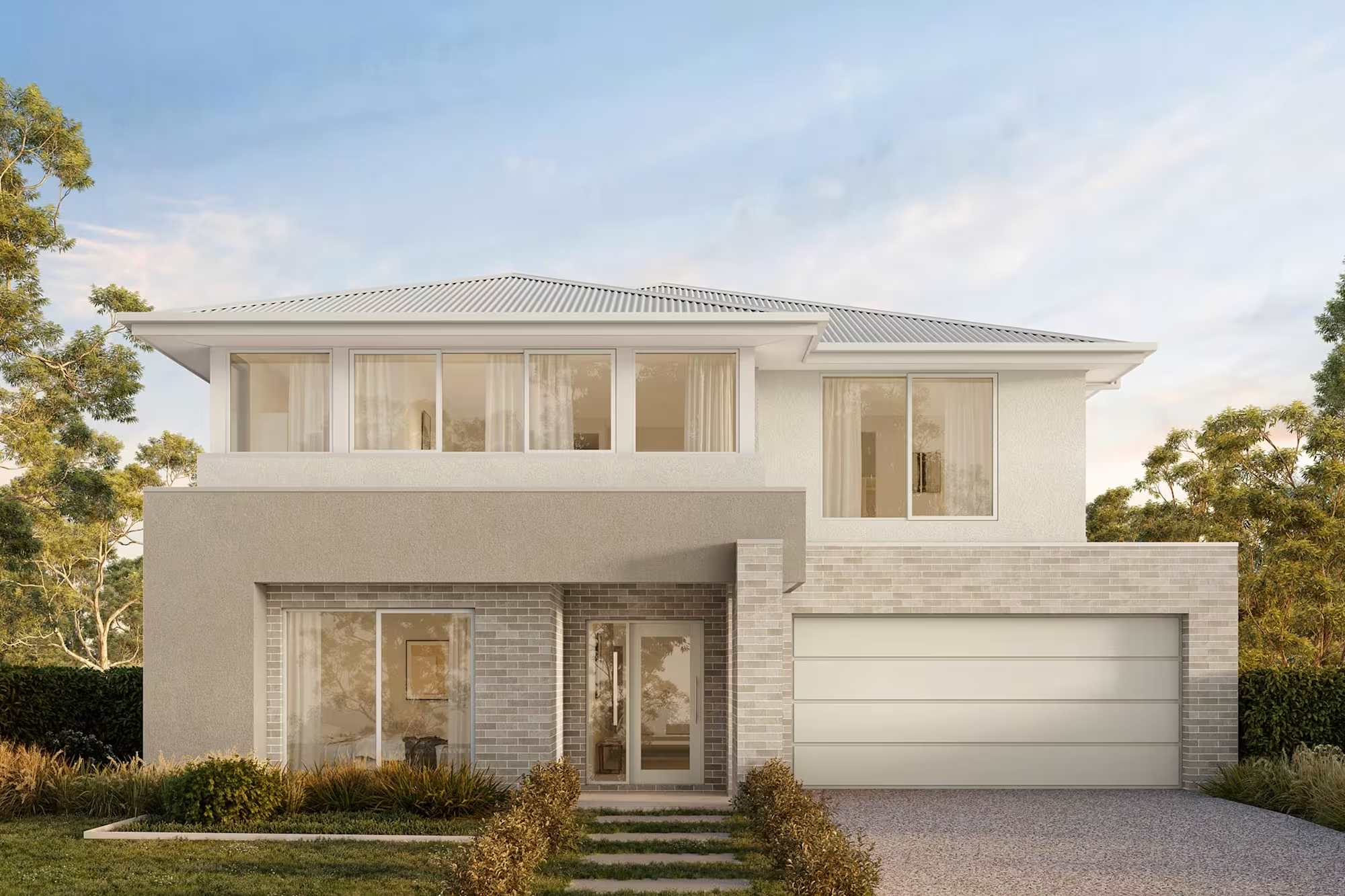
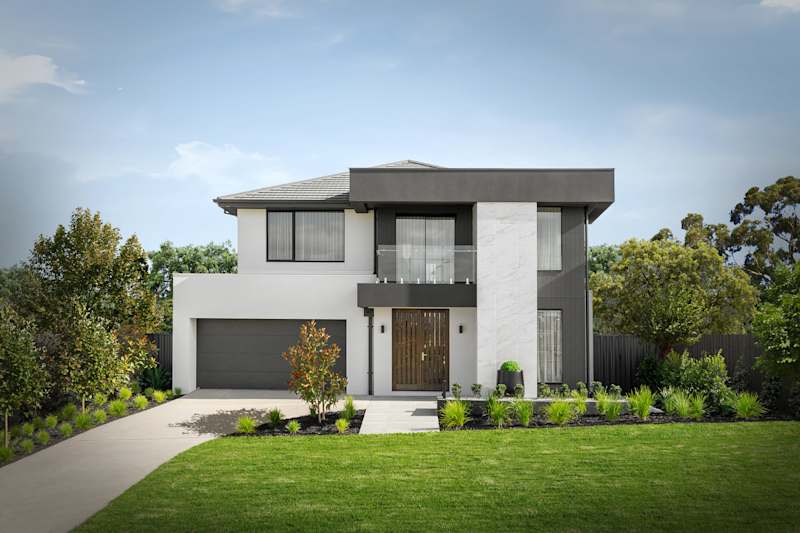
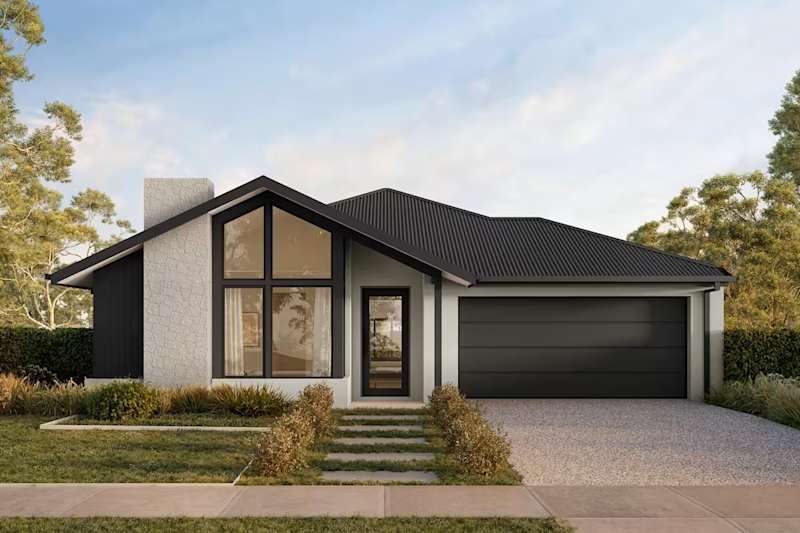
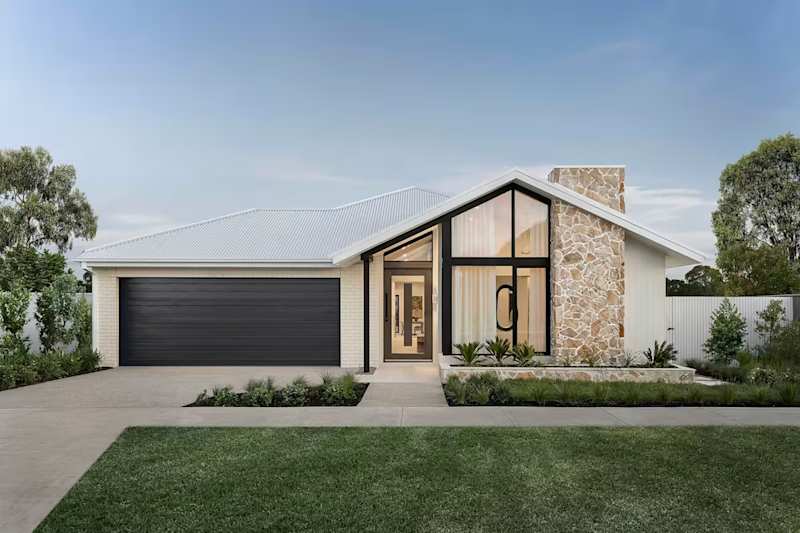
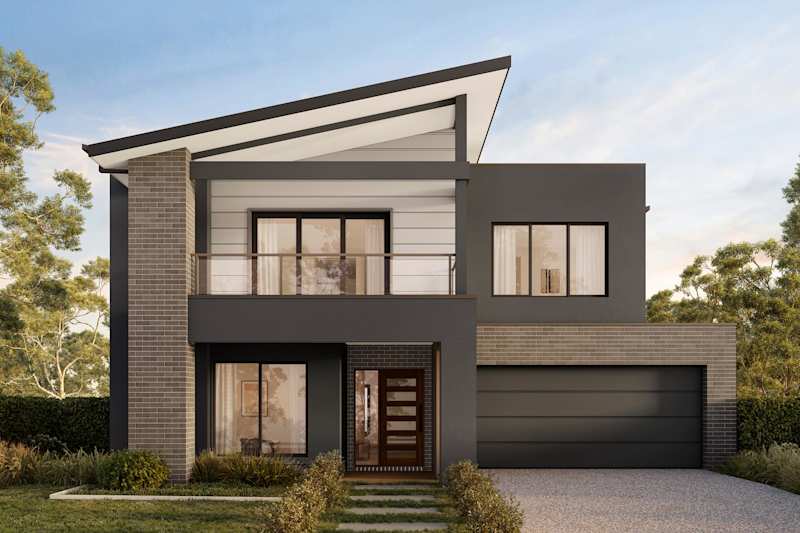
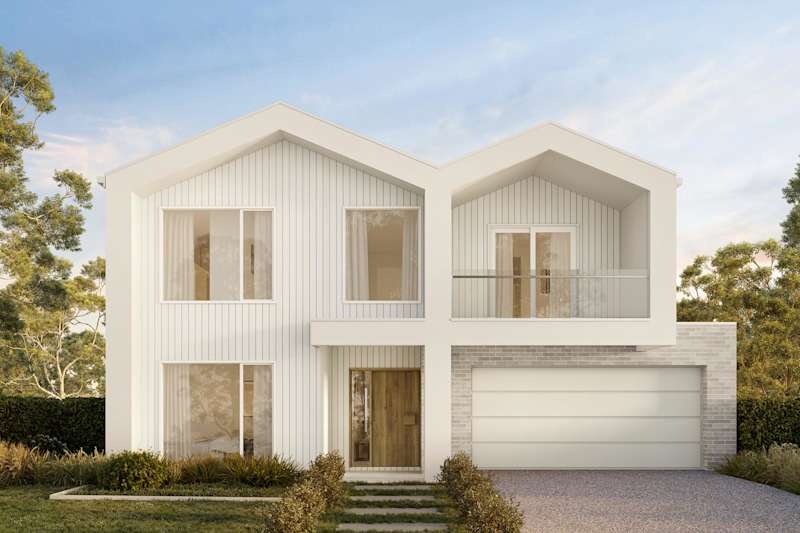
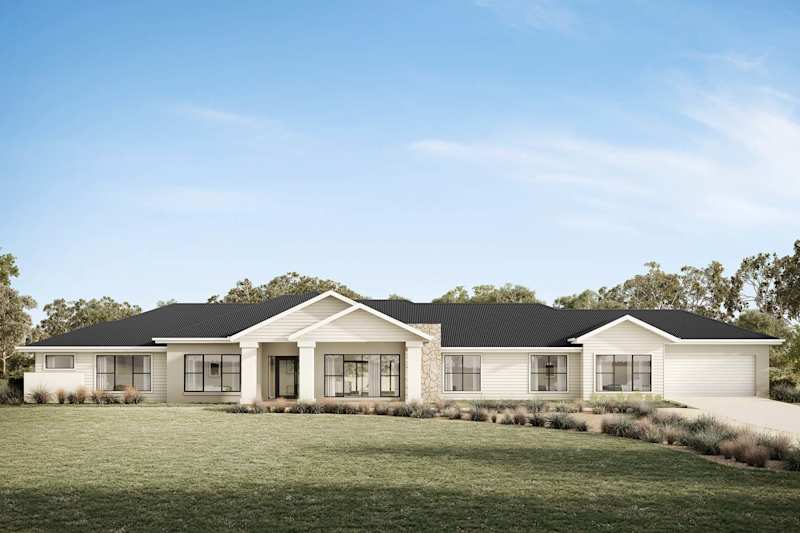
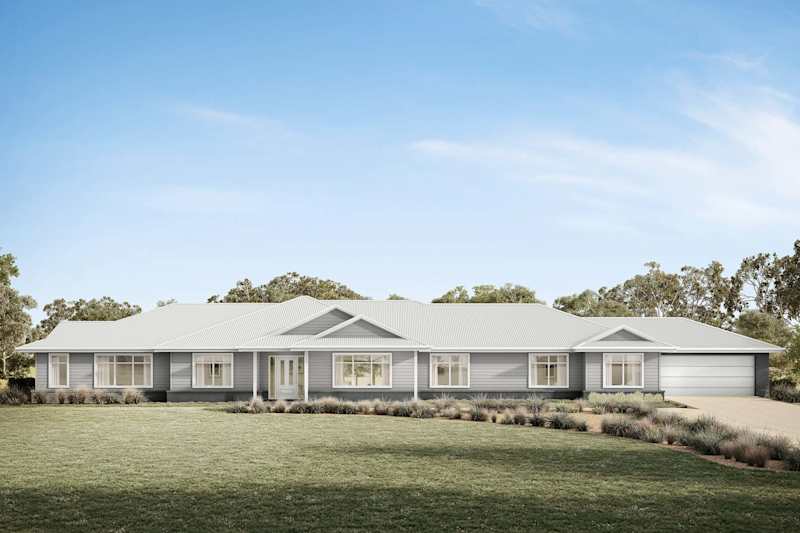
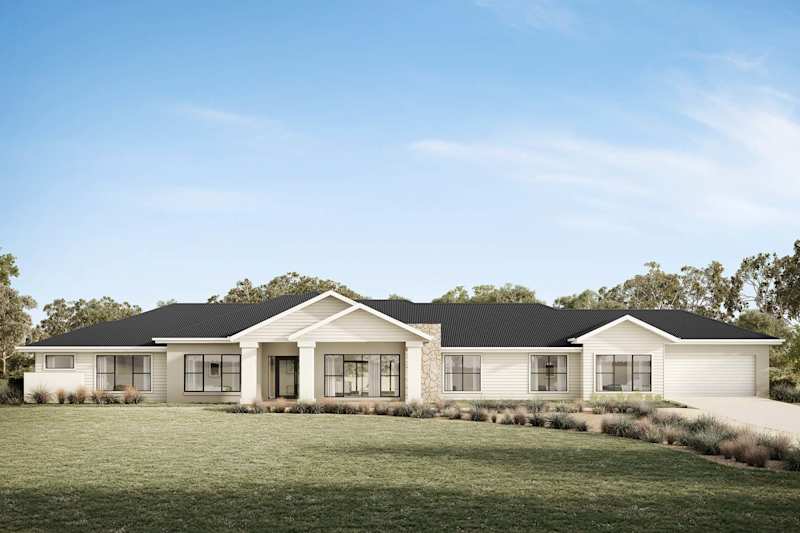
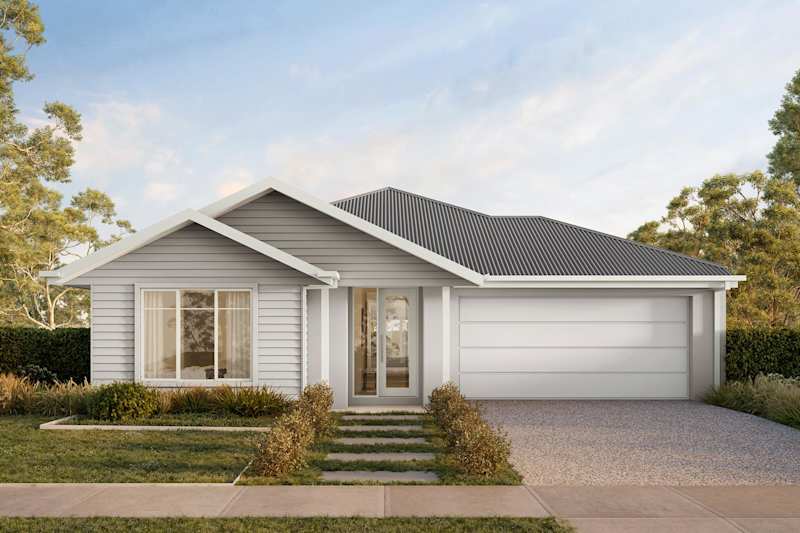
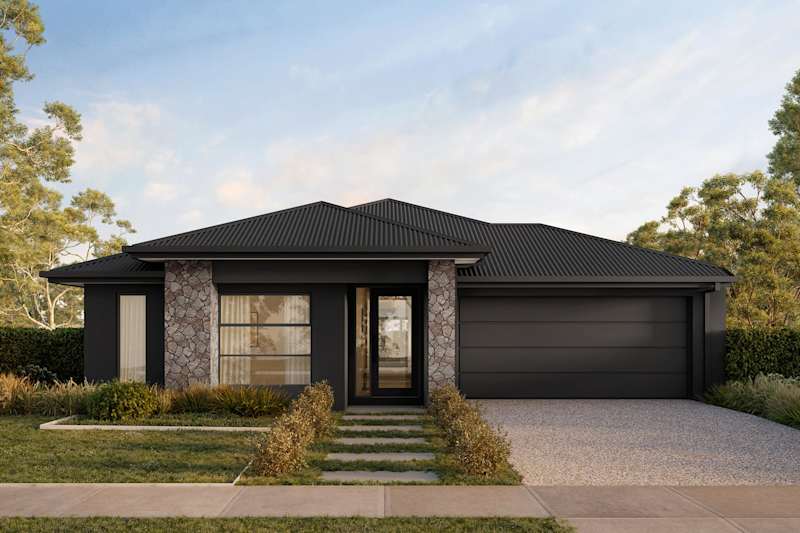
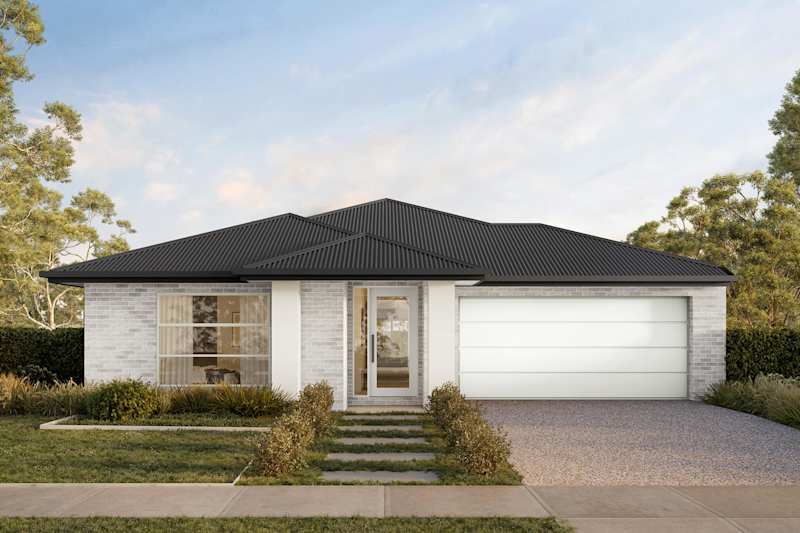
There is something deeply satisfying about the idea of a brand new home — built exactly as you want it, on land that is yours from the start, in a community that is growing around you. For a significant share of Australian homebuyers, that idea becomes reality through a land and house package: one of the most popular and accessible pathways into home ownership in the country.
But for many buyers — particularly first-timers — the terminology, the process, and the fine print can feel opaque. This guide answers all possible questions.
What Is a House and Land Package?
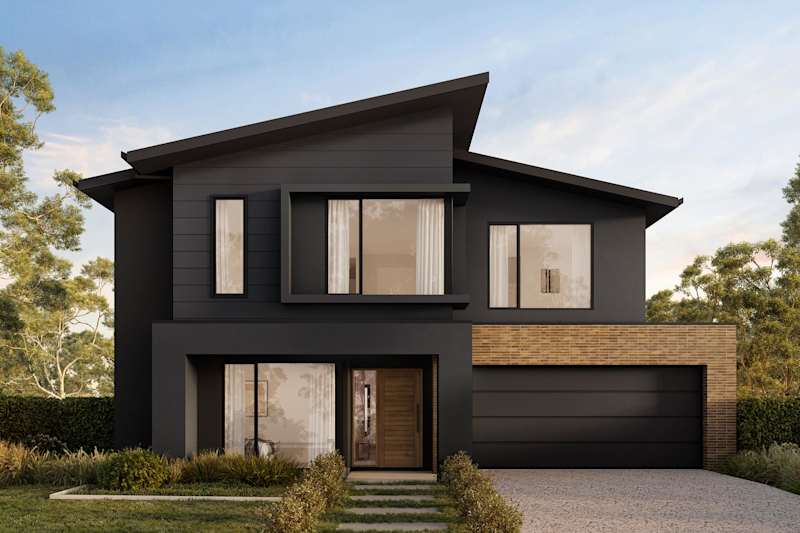
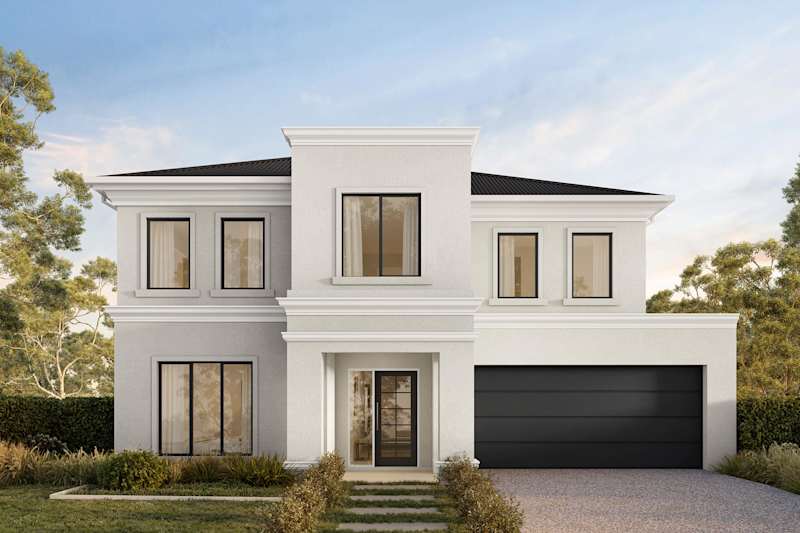
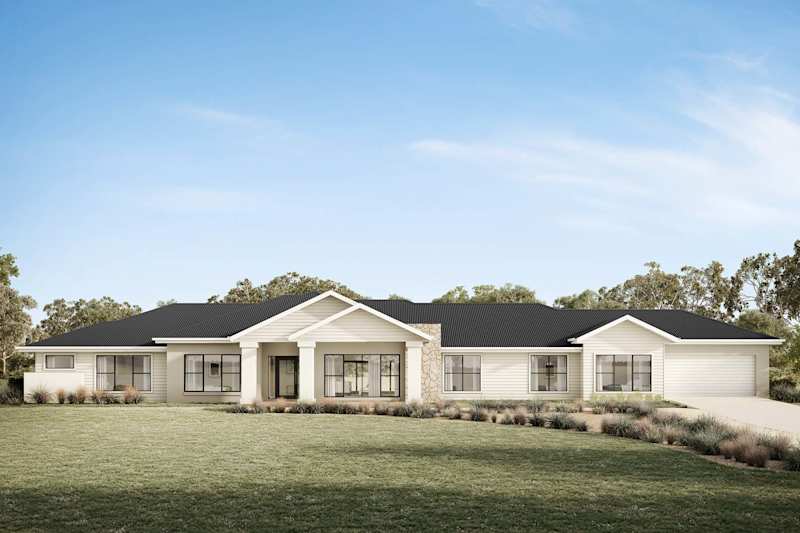
A house and land package is a purchase that combines a block of land and a new home build into a single, coordinated transaction. Rather than buying land separately and then independently engaging a builder, the buyer selects both the land and the home design from a builder's offering — often in a master-planned estate where the builder has pre-secured lots specifically for this purpose.
There are two common structures for land and house packages. In the first, the land and build are sold as a true combined package under a single contract — the buyer pays for both together. In the second — and more common — structure, two separate contracts are signed: one for the land purchase and one for the construction of the home. The land contract settles when the title registers; the build contract activates once land settlement is complete and construction can begin.
The appeal is straightforward. A single builder relationship, a pre-matched home design suited to the lot size and orientation, a coordinated approval process, and a clear pathway from deposit to handover — all with far less complexity than sourcing land and a builder independently.
How Do House and Land Packages Work?
Here’s the process key stages:
- Choose your location and lot — Browse available lots in estates where your preferred builder is active. Consider the lot's size, orientation, street position, and proximity to transport, schools, and services.
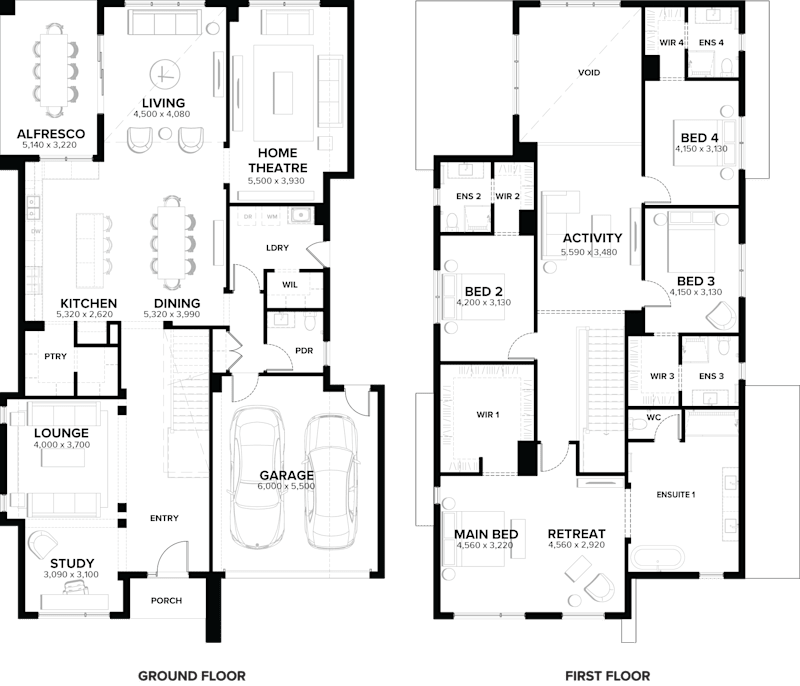
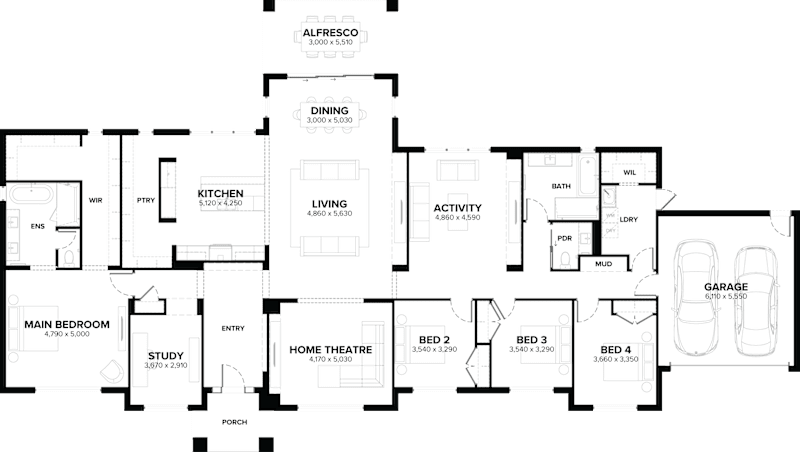
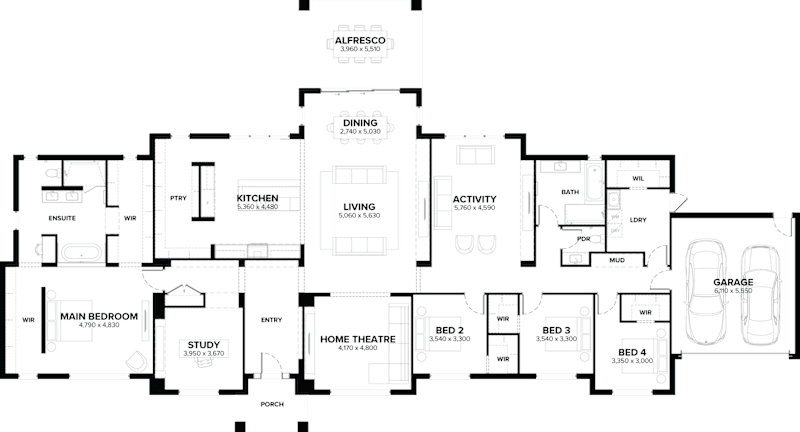
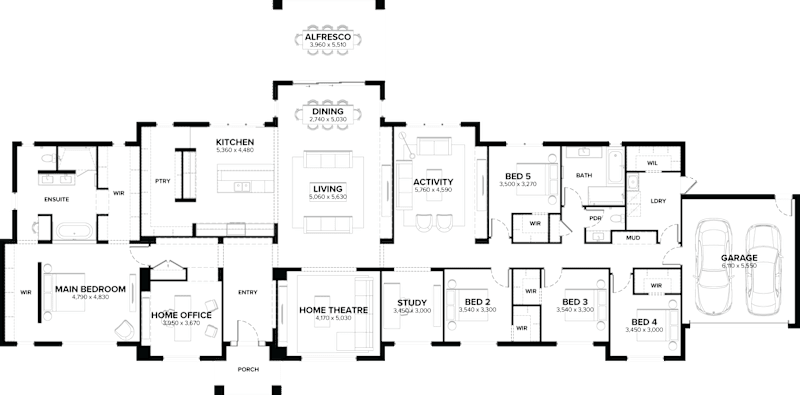
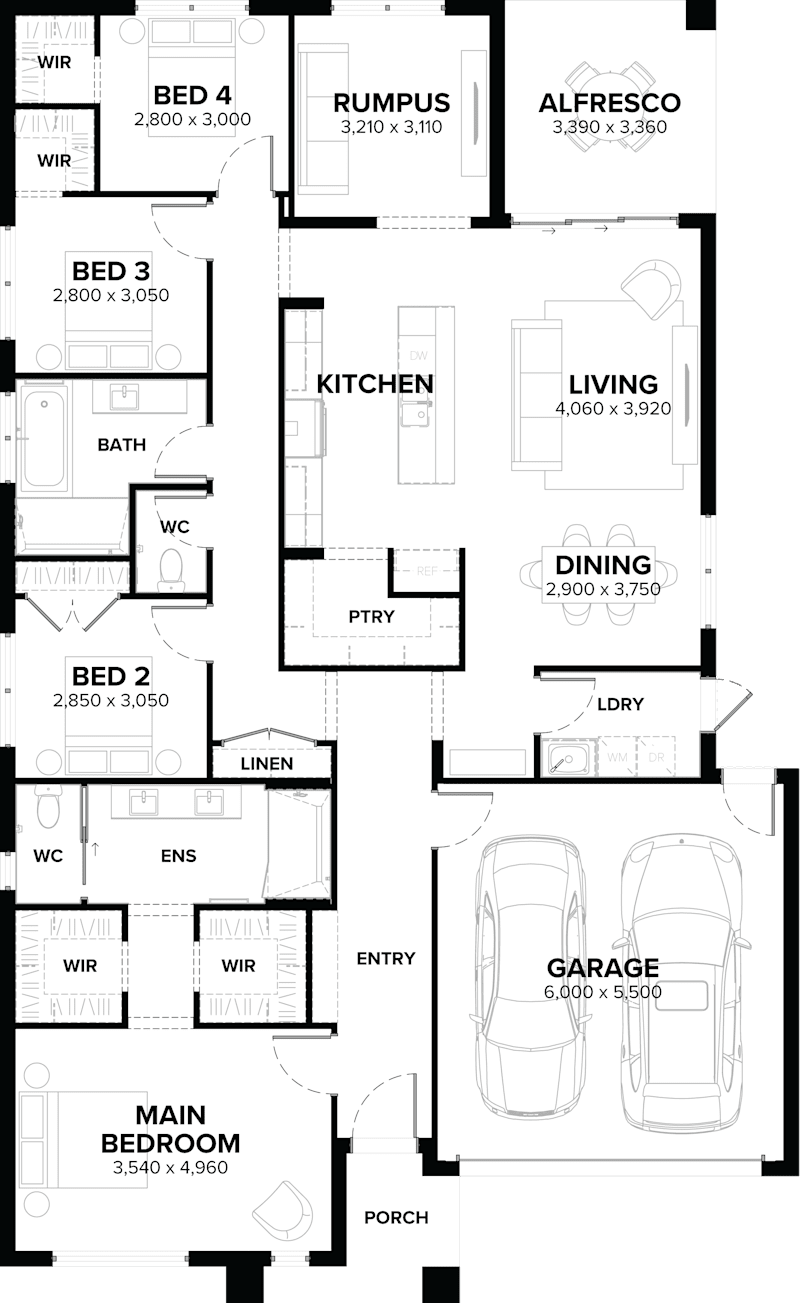
- Select a home design — Choose a floor plan from the builder's range that suits the lot dimensions and your lifestyle needs. Most builders offer design customisation within their standard range.
- Review the inclusions — Understand precisely what is included in the package price: site costs, connections, landscaping, driveway, fencing, and any upgrades. This is where careful reading pays off.
- Secure finance — Finance for a house and land package typically involves a land loan that converts to a construction loan once building begins, with progress draw-downs at each build stage.
- Sign contracts and await land registration — The land contract is signed and, in new estates, the title may not yet be registered. Land registration triggers the ability to settle land and begin construction.
- Construction and handover — Once land settles and permits are in place, construction begins through the standard build stages — slab, frame, lock-up, fix, and practical completion.
Are House and Land Packages Cheaper?
The answer is nuanced. On a pure purchase-price comparison in the same suburb, established homes in inner and middle-ring areas often appear less expensive than new builds in outer growth corridors. But the comparison is rarely apples-to-apples.
A land and house package in a growth corridor delivers a brand new home built to current 7-star energy efficiency standards, with full builder warranties, modern fixtures and finishes, and no immediate maintenance or repair costs. An established home at a similar price point may carry deferred maintenance, outdated systems, and renovation costs that aren't visible until after purchase. When total cost of ownership is considered over five to ten years, the new build frequently offers stronger value.
There are also meaningful financial advantages specific to new builds that tilt the comparison further:
- Stamp duty is generally calculated on the land value only — not the combined land and home value — at the time of land purchase, which can represent a significant saving compared to buying an established home at the same total price
- First home buyers may be eligible for the First Home Owner Grant, which applies to new builds but not established properties — worth $10,000 in Victoria as of 2026
- New homes attract full depreciation benefits for investors, whereas older established properties offer limited or no depreciation claims
- Fixed-price build contracts remove the risk of cost blow-outs that renovation projects on established homes routinely encounter
House and Land Package vs Buying Established: A Practical Comparison
Feature | House & Land Package | Buying Established Home |
What you're buying | New home + new land together | Existing home on existing land |
Customisation | Moderate — design & finishes choices | None — as-is purchase |
Build quality | New — meets current NCC standards | Variable — depends on age & upkeep |
Stamp duty | Generally on land value only | On full purchase price |
First Home Owner Grant | Often eligible — new builds only | Not eligible |
Move-in timing | 12–18 months after signing | Typically 30–90 days settlement |
Hidden costs | Minimal — fixed-price contract available | Possible — inspections, repairs, updates |
Depreciation benefits | Available for investors (new builds) | Limited — depends on property age |
Are House and Land Packages a Good Investment?
It depends on the same factors that determine the quality of any property investment:
- location,
- timing,
- builder quality,
- the fundamentals of supply and demand in the area.
In Australia's major growth corridors — particularly those around Melbourne, where Victoria's population is projected to grow significantly over the coming decades — well-located land in master-planned estates has historically performed strongly over medium to long holding periods. As estates mature, infrastructure is delivered, and communities become established, early purchasers benefit from the value uplift that comes with that community development.
For owner-occupiers, the investment case is partly financial and partly lifestyle. A land and house package delivers a home that is precisely what the buyer wants — built new, in a growing community, with no compromises inherited from a previous owner. For investors, the depreciation benefits, rental appeal of new properties, and capital growth potential in supply-constrained corridors make a well-chosen package a credible addition to a property portfolio.
The key word is 'well-chosen'. Not all packages in all locations perform equally. The quality of the builder, the fundamentals of the specific estate, and the proximity to employment centres and infrastructure are the variables that separate strong investments from mediocre ones.
What to Look for in the Best Land and House Packages
Identifying the best land and house packages requires looking beyond the headline price and evaluating the full picture. Here is what experienced buyers and advisors consistently prioritise:
Builder Track Record and Reputation
The builder behind the package matters enormously. A builder with a strong track record in the region — one whose display homes can be visited, whose completed estates can be inspected, and whose customer reviews reflect a consistent construction and service experience — delivers far more confidence than a lesser-known operator offering a lower price point. Quality of construction, quality of communication, and quality of after-sales support are all shaped by the builder chosen.
Site Costs Transparency
One of the most important things to know when buying a house and land package is that the advertised package price may not include all site costs. Items such as soil-condition-related slab upgrades, estate-specific facade requirements, connection fees, and developer contributions can add meaningfully to the final price. Always request a full site cost assessment before committing, and confirm exactly what is and is not included in the quoted price.
Lot Position and Orientation
Not all lots in an estate are equal. A north-facing backyard maximises passive solar gain in winter and supports a more energy-efficient home. A corner lot often offers a wider street presence. Proximity to a park, school, or future retail precinct adds liveability and long-term value. These are the details that distinguish a well-chosen lot from one that simply happens to be available.
Estate Masterplan and Infrastructure Timeline
Understanding the estate's full masterplan — where parks, schools, retail, and transport links are planned and when they will be delivered — is essential context for any purchase decision. Buying early in a well-planned estate with strong infrastructure commitments is a meaningful advantage. Buying in an estate with limited or uncertain infrastructure delivery is a risk worth understanding clearly before signing.
Your New Home Journey Starts Here
A land and house package is one of the most accessible, transparent, and rewarding pathways into home ownership in Australia. A new home built to your preferences, in a community designed for modern living, with financial advantages that established properties simply cannot match — it is a compelling proposition for first home buyers, upsizing families, and investors alike.
The best place to start is always in person. Walking through a display home gives a clear, tangible sense of what a builder delivers — the quality of finishes, the liveability of the floor plan, and the standard of inclusions that come with a package. Explore Arden Homes' house and land packages in your preferred area.
Frequently Asked Questions
1. How do house and land packages work financially?
Finance for a house and land package typically involves two components: a land loan that settles when the land title registers, and a construction loan that activates once land settlement is complete and building begins. During construction, the lender makes progress payments to the builder at each completed build stage — base, frame, lock-up, fixing, and practical completion — rather than releasing the full loan amount upfront. A mortgage broker experienced in new construction finance can guide buyers through this process.
2. Are house and land packages cheaper than buying established?
On a total-cost-of-ownership basis, house and land packages in growth corridors are often more cost-effective than established homes at a comparable price point. Stamp duty advantages (calculated on land value only), First Home Owner Grant eligibility, no immediate maintenance costs, depreciation benefits for investors, and fixed-price construction contracts combine to make new builds financially competitive — and often superior — to established property purchases when the full picture is considered.
3. What is included in a house and land package?
Inclusions vary between builders and packages, which is why careful scrutiny of the contract is essential. A comprehensive package typically includes the land, the home build to a specified design, standard inclusions (kitchen appliances, floor coverings, window treatments), site costs, council and utility connections, and sometimes landscaping and fencing. Always confirm exactly what is and is not included before signing — and request a full site cost assessment to understand the complete financial commitment.
4. How long does it take to move into a house and land package?
The total timeline from signing a house and land contract to moving in typically ranges from 12 to 18 months for a standard single-storey home. This includes the pre-construction phase (land registration, permits, selections — one to six months) and the construction phase (four to seven months). Land registration timing in new estates is often the most variable factor, as it is outside the builder's direct control.
5. Where can I find the best house and land packages in Melbourne?
Arden Homes offers land and house packages across Melbourne's northern, south-eastern, western, and Geelong regions — in master-planned estates with strong community infrastructure and a range of home designs to suit different block sizes and lifestyle needs. Speak with our team in person for more details.