Walking through your home, you notice the creaky floorboards, dated kitchen, and that bathroom from the 1980s. The house has served your family well, but it's showing its age. You're at a crossroads that thousands of Australian homeowners face every year: should you renovate what you have or start completely fresh?
The decision isn't always clear-cut. Renovations can breathe new life into tired homes while preserving character and memories. Rebuilds offer complete customisation and modern efficiency but come with higher costs and longer timelines. Understanding the true costs, benefits, and challenges of each option helps you make the right choice for your family's future.
Understanding Your Options
What Renovating Really Involves
Home renovation covers everything from fresh paint and new flooring to major structural changes. The scope can be as simple as updating fixtures or as complex as removing walls and adding extensions. Most renovations fall somewhere between these extremes.
Minor renovations include cosmetic updates like painting, new carpets, updated lighting, and kitchen cabinet refreshes. These changes improve appearance and function without major disruption to your daily life.
Major renovations involve structural work like removing walls, adding rooms, updating electrical and plumbing systems, or installing new kitchens and bathrooms. These projects require permits, licensed trades, and often temporary relocation while work is completed.
The key advantage of renovation is working within your existing structure. Your home's bones remain the same while surfaces and systems get updated. This approach can preserve architectural character while bringing functionality into the modern era.
What Rebuilding Actually Means
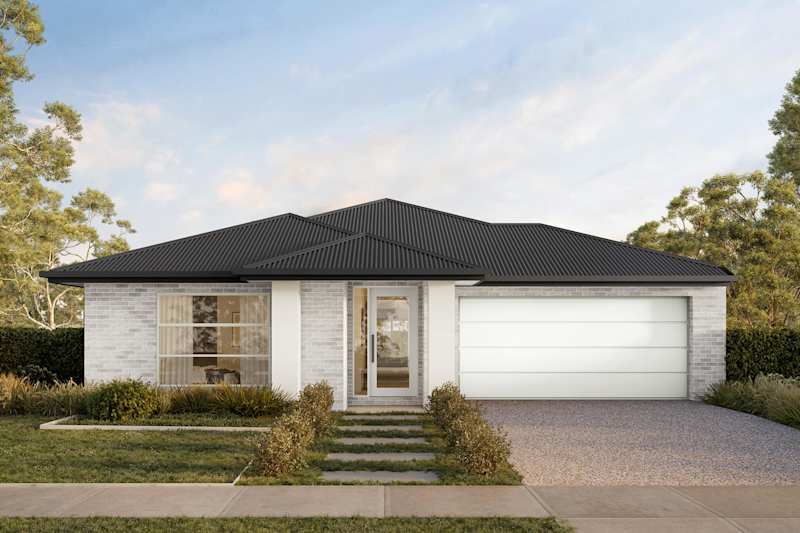
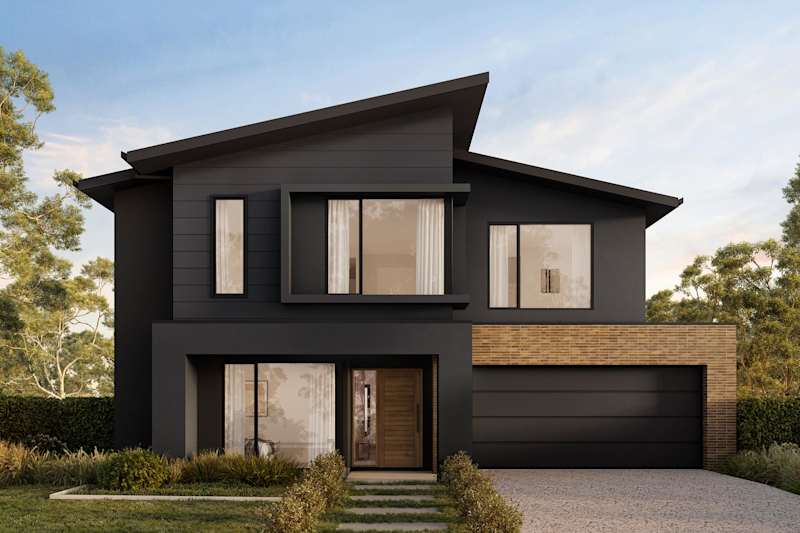
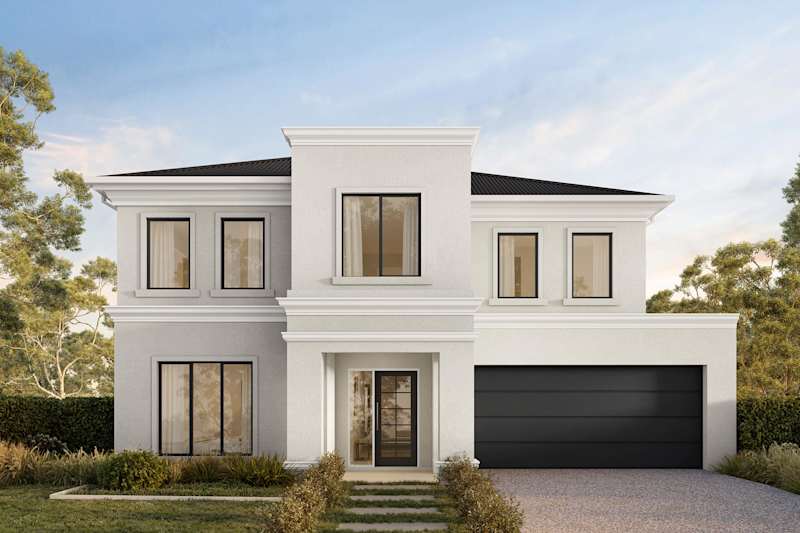
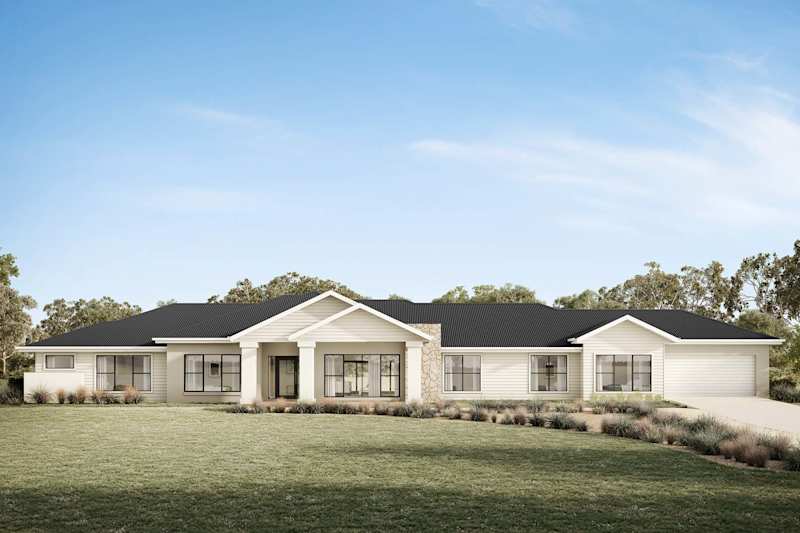
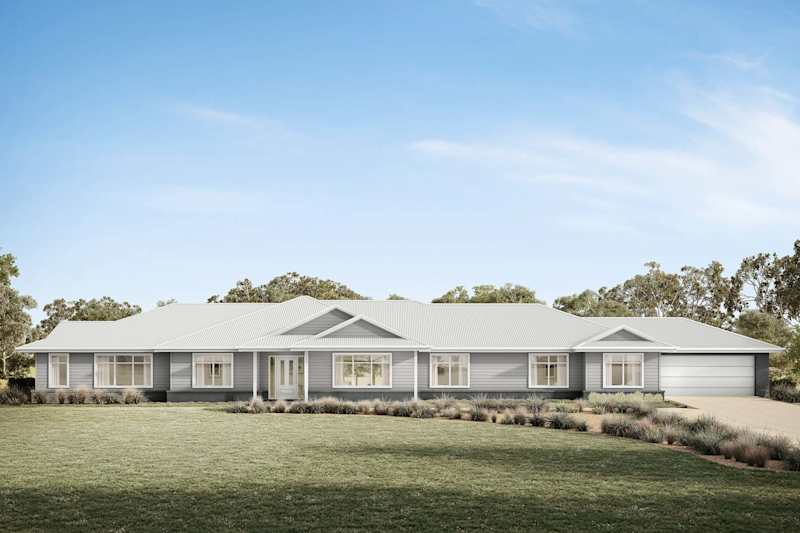
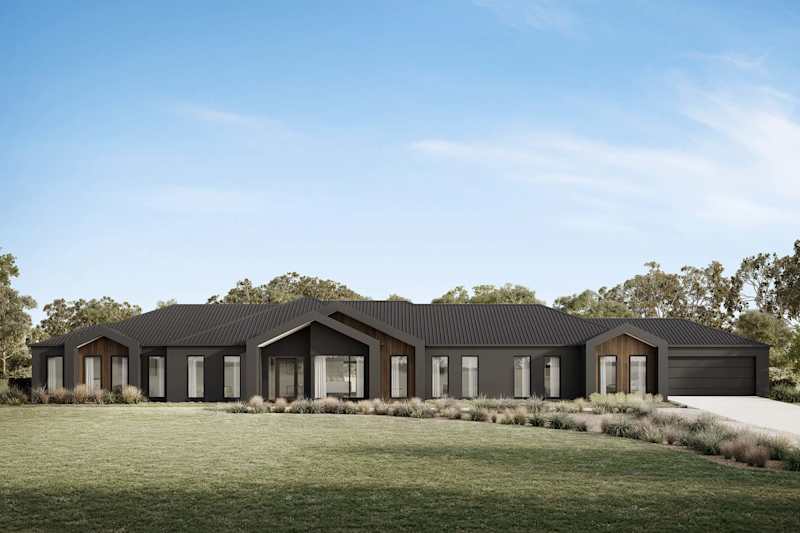
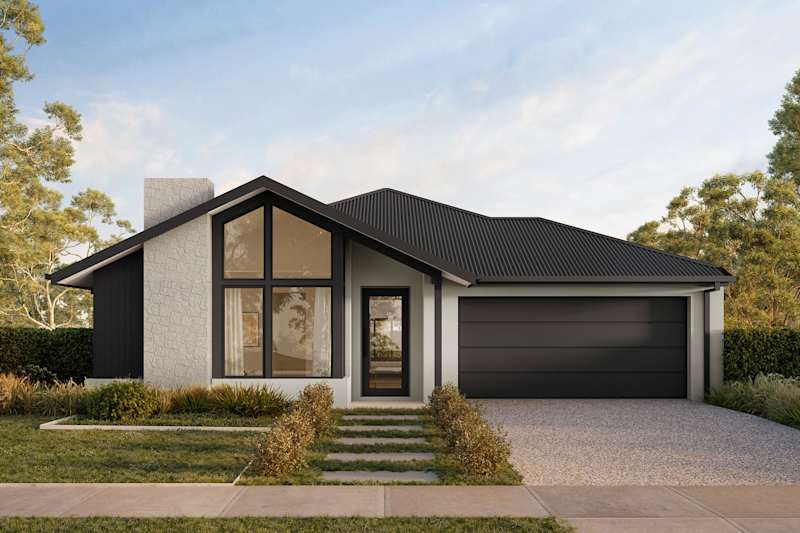
A knockdown rebuild means exactly what it sounds like. Your existing home is completely demolished and removed from the site. Then a new house is built from the ground up on your existing block of land.
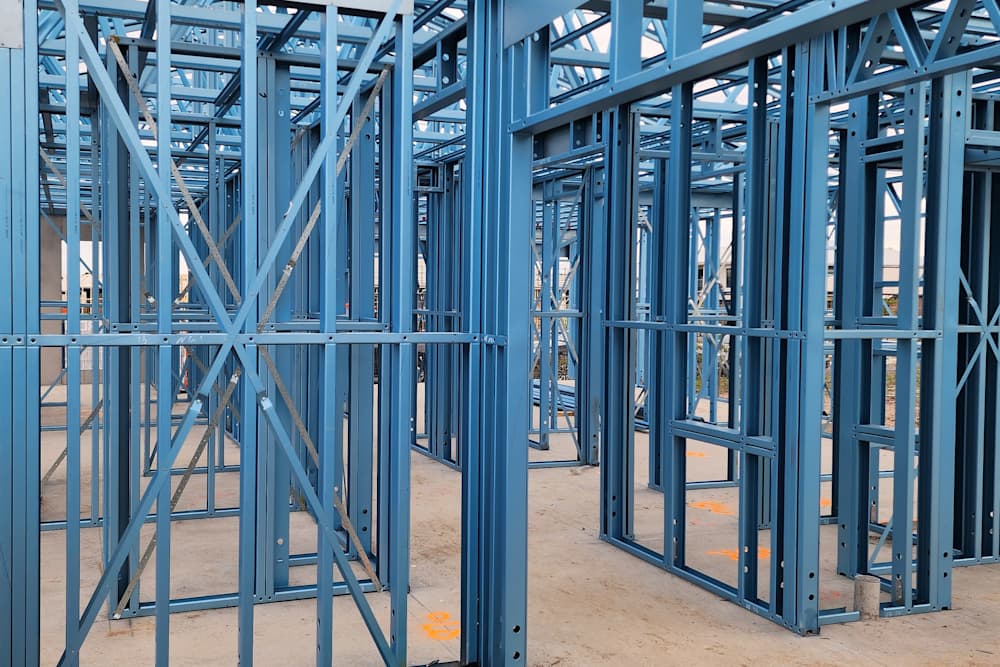
This process starts with obtaining demolition permits and arranging for utility disconnections. Professional demolition teams safely remove the old structure and clear the site. Then standard new home construction begins with excavation, foundations, framing, and all the usual building phases.
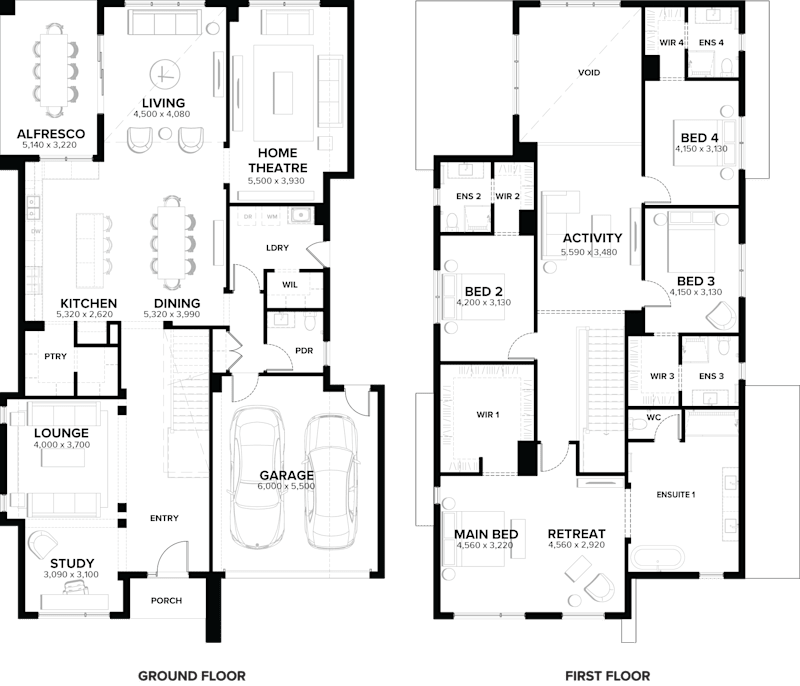
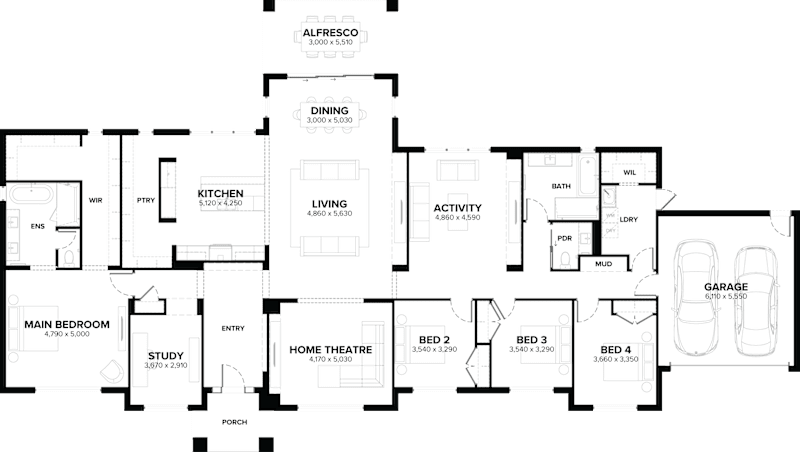
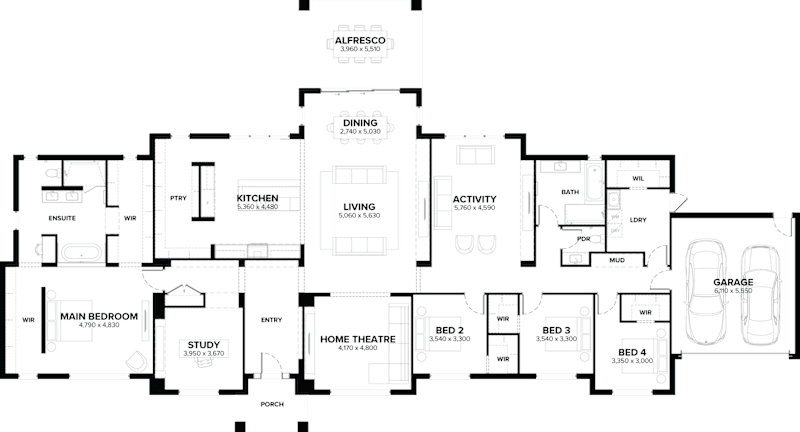
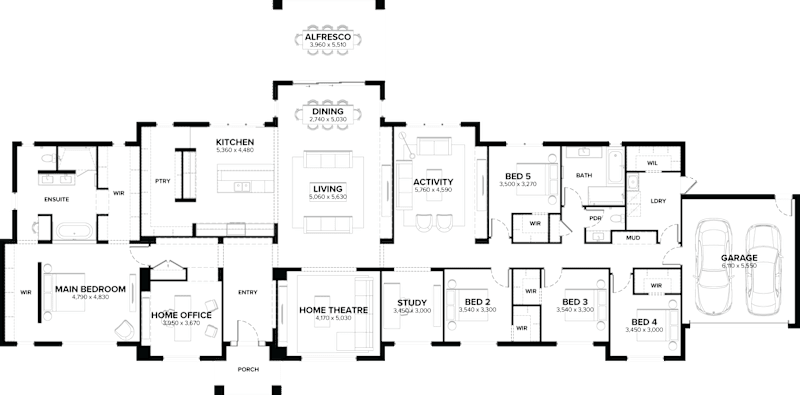
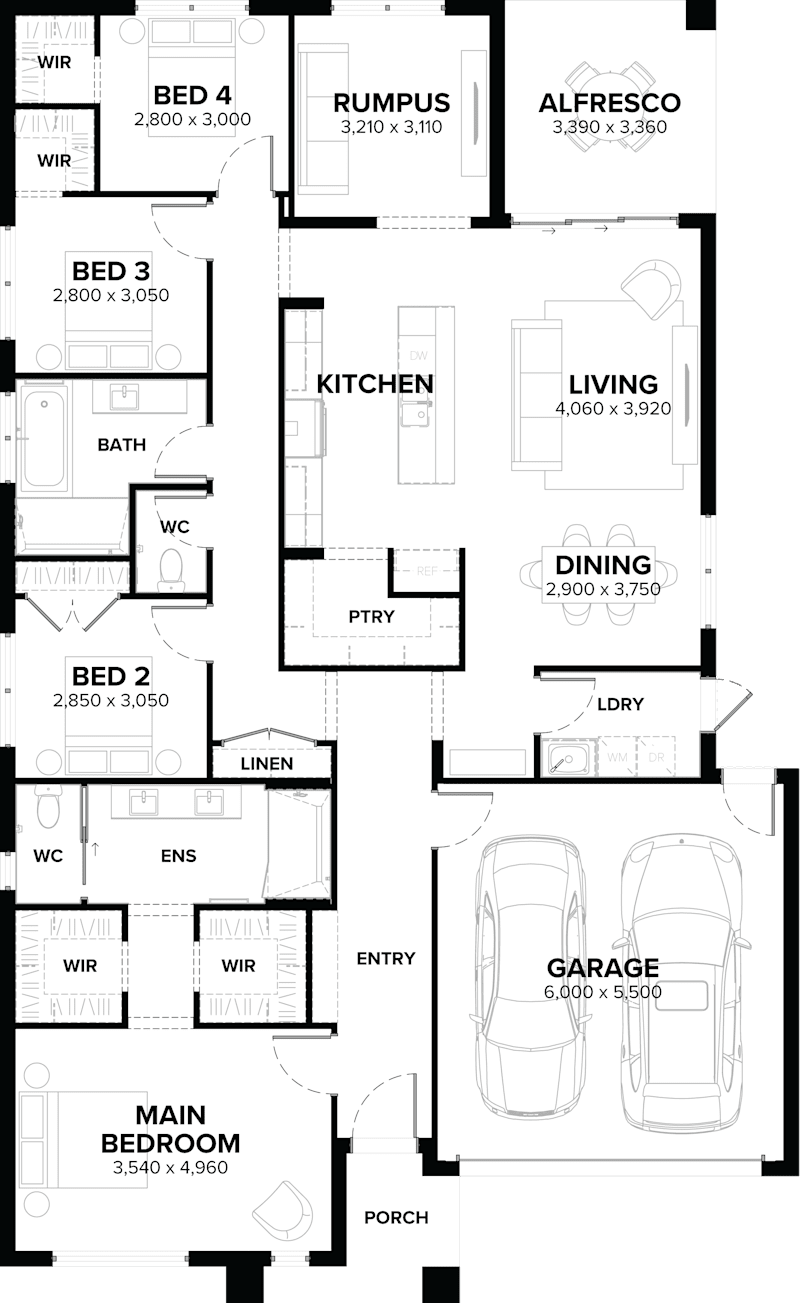
Rebuilding offers complete design freedom. You're not limited by existing room layouts, ceiling heights, or structural constraints. Every aspect of the new home can be tailored to your family's current and future needs.
Modern rebuilds also meet current building codes and energy efficiency standards. This means better insulation, more efficient heating and cooling, and structural designs that handle today's weather extremes better than older homes.
Key Factors in Your Decision
Assessing Your Home's Current Condition
The condition of your existing home heavily influences whether renovate vs rebuild makes more sense. Structurally sound homes with good foundations, roofing, and framing often benefit from renovation rather than replacement.
Homes with significant structural issues present different considerations. Foundation problems, roof leaks, electrical hazards, or plumbing failures can make renovation costs spiral quickly. Sometimes the cost to fix these fundamental issues exceeds the value of starting fresh.
Signs your home might be better rebuilt include:
- Foundation cracks or settling that affect doors, windows, and structural integrity
- Electrical systems that don't meet current safety codes or capacity needs
- Plumbing problems throughout the house requiring complete re-piping
- Roof structure damage from termites, water damage, or age
- Asbestos or lead paint requiring expensive professional removal
Professional building inspections can reveal hidden problems that might not be obvious during casual examination. These assessments help you understand the true scope and cost of bringing an older home up to modern standards.
Timeline Considerations
Renovation timelines depend heavily on project scope and complications. Simple cosmetic updates might take weeks, while major structural changes can stretch for months. Older homes often reveal unexpected issues that extend timelines significantly.
Living in your home during renovations adds complexity and stress. Dust, noise, limited access to kitchens and bathrooms, and constant disruption affect daily life. Some renovations require temporary relocation, adding accommodation costs to project budgets.
Rebuild timelines are longer but more predictable. Complete projects typically take 6-12 months from demolition to move-in.
Benefits of Each Approach
Advantages of Renovation
Renovation preserves the character and charm that drew you to your home originally. Period features, established gardens, and neighbourhood familiarity remain intact while functionality improves.
Cost control is often easier with renovations since you can tackle projects in stages. Kitchen updates this year, bathroom renovations next year, and flooring updates when budget allows. This phased approach spreads costs over time and minimises disruption.
Key renovation benefits include:
- Lower upfront costs compared to complete rebuilds in most situations
- Preserving established gardens and mature landscaping that takes years to replace
- Maintaining neighbourhood character and fitting with surrounding homes
- Potential for staged improvements that spread costs over multiple years
Advantages of Rebuilding
Complete customisation tops the list of rebuild benefits. Every room, window, door, and design element can be chosen specifically for your family's needs. No compromises are needed to work around existing structures or layouts.
Modern building standards ensure new homes are more energy efficient, structurally sound, and equipped with current technology infrastructure. New homes also come with builder warranties that provide protection against defects and problems.
Key rebuild advantages include:
- Complete design freedom to create exactly what your family needs
- Modern energy efficiency that reduces ongoing utility costs significantly
- Current building codes that ensure safety and structural integrity
- New home warranties providing protection against defects and issues
- Low maintenance needs for many years after completion
New homes also offer better integration of smart home technology, modern appliances, and energy-efficient systems that might be difficult to retrofit into older structures.
Making the Right Choice for Your Situation
When Renovation Makes Sense
Is it better to knockdown and rebuild or renovate? Choose renovation when your home's structure is sound and the style fits your long-term needs. Homes in established neighbourhoods with mature trees and gardens often benefit more from updates than replacement.
Renovate when you love your location but need functional improvements. If the kitchen layout frustrates you or the master bathroom needs updating, targeted renovations can solve specific problems without starting over completely.
Budget constraints might also favour renovation, especially if you can complete work in phases over several years. This approach allows you to improve your home gradually while building equity and enjoyment.
When Rebuilding Is Better
Consider knockdown rebuild vs renovation when your home needs extensive structural, electrical, and plumbing work. If renovation costs approach 60-70% of rebuild costs, starting fresh often provides better value.
Rebuild when your family's needs have changed significantly. Growing families might need more bedrooms, while empty nesters might prefer single-level living and lower maintenance requirements.
Energy efficiency concerns also favour rebuilding. If heating and cooling costs are high due to poor insulation and inefficient design, a new home can provide dramatic ongoing savings that justify the higher upfront investment.
Professional Assessment Helps
Deciding whether to renovate or rebuild requires professional input from builders, architects, and structural engineers. These experts can assess your home's condition, estimate realistic renovation costs, and help you understand all available options.
Making the Right Choice for Your Situation
The choice to renovate or rebuild depends on your home's condition, your family's needs, and your long-term plans. Neither option is automatically better – the right choice depends on your unique circumstances.
Start by honestly assessing your current home's condition and your satisfaction with its layout and location. Consider your budget, timeline flexibility, and how long you plan to stay in the home.
Remember that both paths can lead to homes you'll love for years to come. The key is choosing the approach that aligns with your needs, budget, and vision for your family's future.
Ready to explore your options? Connect with building professionals who can assess your situation and help you determine whether renovation or rebuilding offers the best path to your dream home.